I’m on my second of two teenagers, so I go grocery shopping a lot. I actually enjoy it, as long as my beloved cold brew is in stock.
But as costs rise, I’m becoming increasingly anxious each time the cashier prepares to ring up my total.
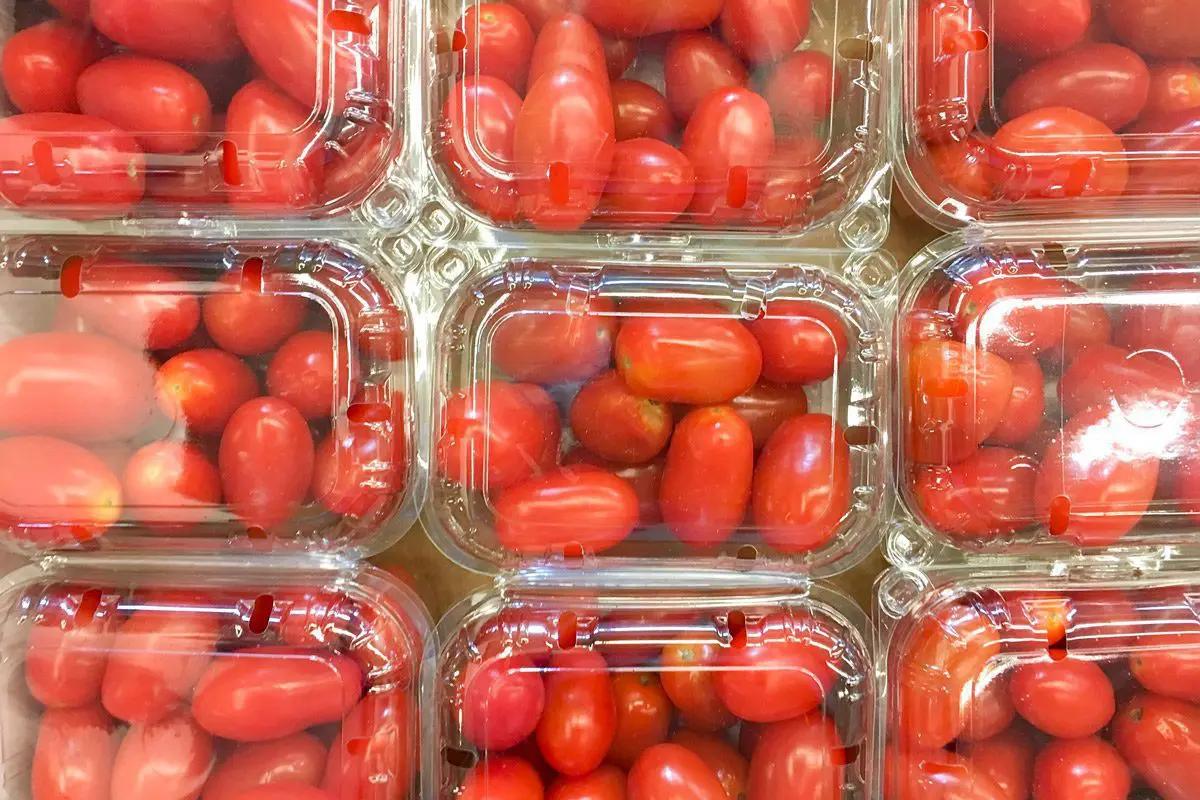
One factor most of us probably don’t consider when thinking about grocery prices? The plastic packaging that protects our food and helps keep costs down.
As the head of America’s Plastic Makers, I’m fairly attuned to the (often unsung) sustainability benefits of packaging our groceries in plastics. Compared to alternatives, plastic packaging typically creates:
- Four times less solid waste.
- Two and a half times less greenhouse gas emissions.
- Less food waste.
These benefits largely come from one word: efficiency. Lightweight yet strong plastic packaging is often more efficient than alternative materials. This allows companies to ship more products with less packaging material and fewer trucks on the road. In other words, plastic packaging allows us to do more with less.
It’s also worth mentioning another exceedingly important benefit of plastic packaging: improved affordability. And these days, that matters. Affordability is the number one concern among Americans today. Left unabated, inflation eats away at our livelihoods, especially among Americans who can least afford it.
For us grocery shoppers, the cost of packaging is basically hidden in the overall cost of the groceries we buy. So, it’s difficult to quantify the true cost difference between using, say, glass or plastic to bottle the same beverage. I mean, it’s not exactly itemized on a bottle of soda.
That’s why a new analysis commissioned by the American Consumer Institute is so enlightening. Researchers at York University break out the cost advantage of using plastics to package the groceries we regularly buy.
The results are rather amazing. And any policymaker concerned with affordability should pay attention.
The analysis looks at a basket of 49 common grocery items. Basically, the researchers find that switching from existing plastic packaging to available alternatives would increase the price of that basket of groceries by a whopping 21.6% on average.
Another way to put it: If we got rid of plastic packaging, our grocery bill would increase by 21.6%. On average, that would increase the total cost of that basket of groceries by nearly $61 – rising from $281 to $342 per family trip to the grocery store. Or an additional $1,382 a year. Ouch.
The analysis points to multiple reasons for this inflation, but a big one is the “Weight Penalty.” Example: Glass packaging is so heavy (up to 2,000% more than plastic) that it:
…breaks current logistics optimization, resulting in [an] increase in the number of vehicle trips required to transport the same volume of goods… The shift to heavy substrates causes trailers to “weigh-out” (hit legal weight limits) while still half-empty by volume. This results in a 25 percent to 50 percent loss in trailer efficiency, requiring approximately 30 percent to 50 percent more vehicle trips to distribute the same volume of goods – an impact particularly severe in fuel-heavy refrigerated (“reefer”) transport.
This inefficiency obviously would both increase the cost of groceries and their environmental impact. And the analysis finds that these costs would not be distributed evenly.
The “forced transition surcharge” is regressive, hitting essential food and cleaning staples the hardest and disproportionately impacting lower-income households where grocery expenditures represent a larger portion of disposable income.
In other words, essential groceries and lower-income households would take the biggest hit. For example, consider what the researchers call the “Breakfast Shock.” Breakfast staples – including milk, bacon, frozen waffles, frozen fruit, cereal, orange juice and coffee – would increase by 24.5% on average.
And look at the increased cost of these staples:
- Sour cream would inflate by 13%.
- Proteins and frozen staples would inflate by up to 28%.
- A gallon of whole milk would inflate by 38.3%
Take a moment to read the analysis conclusion below (or just the section in bold):
The research demonstrates that the elimination of plastic packaging is an inherently inflationary and inefficient path forward that imposes a permanent, recurring burden on the consumer’s grocery budget.
The resulting price surcharges are not abstract market variables; they are the direct consequences of the physical, thermodynamic, and logistical requirements of alternative substrates. By substituting durable, efficient polymers with materials that lead to higher spoilage and lower transport efficiency, the “plastic-free” movement risks significantly decreasing the standard of living for the average American household.
Wow. In any policy discussion on affordability, packaging may seem like a niche concern. But this new analysis demonstrates that packaging choices affect the budgets of everyday Americans because “price surcharges are not abstract market variables.”
And it shows that plastic packaging contributes to affordability at the grocery store.
If we’re serious about affordability, policymakers must factor in real–life – but often hidden – costs of packaging choices.