

Top Innovations in Plastics That Changed Our World
Celebrating 250 Years of American Ingenuity
America has a well-deserved reputation for ingenuity.
Innovative, pioneering, inventive… our nation has pushed the boundaries of ingenuity for 250 years, breaking barriers in science and technology to achieve unprecedented breakthroughs.
During the latter half of these 2.5 centuries, some of our nation’s greatest advancements have been borne from innovations in materials sciences that gave us plastics. These innovations and advancements have been revolutionary, helping make our lives safer, longer and exceedingly more comfortable.
Here are innovations in plastics that changed our world and an American contribution for each.
U.S. Plastics Innovations
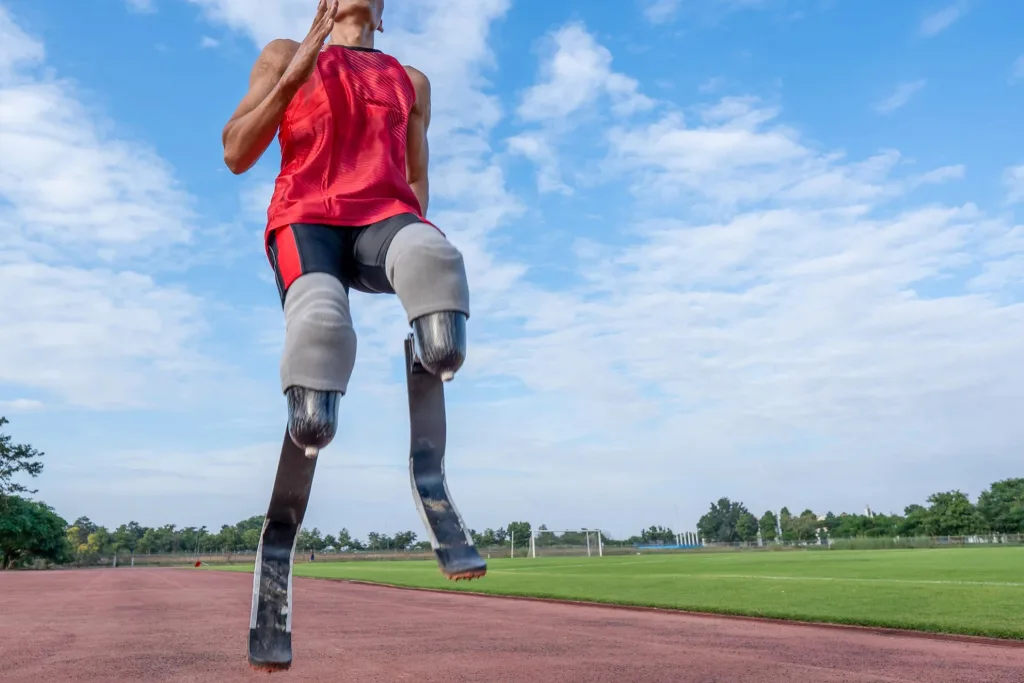
Medical Implants and Prosthetics Have Revolutionized Healthcare
Plastic materials are widely used in healthcare to repair the human body and improve our Lives.
Life-saving innovations – made possible by plastics – help us see, walk, remain active and live better, longer, less painful lives.
American Innovation in Plastics: The First Implantable Pacemakers
The first successful implantable pacemaker was developed in Buffalo, NY. Today, about 3 million Americans are living with pacemakers, helping them live longer and healthier lives. Today’s pacemakers use multiple plastics for coatings, connections, circuit boards and encapsulation/protection.
Examples: Plastic Implants and Prosthetics That Repair Our Bodies
Prosthetic limbs, eye/ear/teeth implants, joints, heart valves… even robotic limbs. We can replace hips, knees, and ankles. We can implant new hearts, eye lenses and prosthetics. We can swap damaged spinal disks for new ones and insert spinal cord stimulators to block pain.
By the Numbers: Plastic Implants that Repair Our Bodies
More than a million spinal procedures are performed each year, many of them using high-tech, bio-compatible plastics (meaning they can interact safely with our bodies) to repair or replace damaged vertebrae so people can regain their mobility and reduce pain.
Advanced Plastics Used in Medical Implants and Prosthetics
PEEK (polyether ether ketone), ultra-high-molecular-weight polyethylene, polylactic acid, polypropylene

Plastics That Protect People
Plastic gear helps protect our soldiers, firefighters, police, first responders and even our kids.
For lightweight materials, plastics are pretty tough. Legacy materials like leather and animal skin have given way to high-performance materials that we rely on every day to protect us in a car accident or to shield our kid’s head from a fast ball. And plastics are out of this world: space suits are made with multiple plastic layers to protect astronauts from extreme temperatures, space dust and abrasions.
Examples: Plastics That Protect People Every Day
- Our soldiers: Ballistic helmets and shields. Body armor. Protective goggles. Knee/elbow pads. Combat boots. Night vision. Even exoskeletons.
- Our fire fighters: Helmets and face gear. Turnout gear (jackets and pants). Gloves. Boots. Self-contained breathing apparatus. Protective hoods.
- Our cars: air bags, seat belts, child seats, crumple zones, foam pillars and dashboards, sensors, safety glass (plastic film sandwiched by glass).
American Innovation: Stephanie Kwolek and the Discovery of Kevlar
While searching for an alternative to steel reinforcement in car tires, U.S. chemist Stephanie Kwolek (Dupont) discovered that certain plastic molecules could line up and become incredibly strong and stiff. One notable result: Kevlar, a plastic fiber that is heat resistant and five times stronger than steel and lightweight.
Her “breakthrough opened up the possibilities for a host of new products resistant to tears, bullets, extreme temperatures, and other conditions.”
By the Numbers: Plastics That Save Lives
More than 3,100 U.S. police officers have been saved from potentially fatal or disabling injuries by wearing protective ballistic vests.
Advanced Plastics Used in Protective Equipment
Aramid fibers (note: nylon is an aramid), polycarbonate, polystyrene, polyester, polypropylene, polytetrafluoroethylene (PTFE), polyurethane

Plastic Composites: Driving Innovation Across Transportation, Energy and Construction
Composites are considered the new turning point of material science.
Example: Plastic and glass have unique benefits. But combine glass fibers with plastic in an advanced “composite” matrix, and the combined materials create something much tougher and more capable than expected. In the case of plastic composites, one plus one is greater than two.
This phenomenon – a multiplied increase in performance – is why plastic composites are so widely used in vehicles, sports, boats, electronics, medical devices, wind energy, construction. Composites can help us rebuild our nation’s infrastructure with much greater resiliency and sustainability.
Examples: Plastic Composites in Everyday Life
- Boeing Dreamliner airframe: Lighter weight/fuel savings, longer flights, more comfortable cabin
- Wind turbine blades: Lower mass/spin faster/create more energy
- Infrastructure: Replace metal rebar to reduce corrosion/concrete failure in roads and bridges
- Construction: Roofing panels, decks, fences, window/door frames = water resistant/longer lasting
- Sports: Golf clubs, tennis racquets, bikes, surfboards, skis, hiking/rock climbing gear
- Medical: Imaging equipment, catheters, surgical instruments, prosthetics, implants (see prosthetics/implants above), dentistry.
- Cars/Trucks: Used throughout the entire vehicle, from under the hood to bumpers (see VEHICLES below)
American Innovation in Plastic Composites
Owens Corning invented a thin glass fiber it called “fiberglas.” Later reinforced with plastics, the “fiber reinforced polymers” composite industry was launched. American advances in plastic composites have been legion, including an advanced carbon-fiber plastic composite with shape recovery, self-healing properties from Texas A&M that may open new frontiers in aerospace and car design.
By the Numbers: Plastic Composites Versus Metals
75% and 60%. That’s the typical weight savings by using plastic composites instead of steel or aluminum (respectively).
Plastics Commonly Used in Composites
(PVC) polyvinyl chloride, polyester, epoxies, polypropylene, polycarbonate, PEEK (polyether ether ketone), nylon, polyethylene

Energy-saving Plastic Foam Insulation
Plastic foam insulation simply works better than alternatives at saving energy in our homes and buildings… in addition to our cars/trucks, airplanes, appliances, coolers and more. A small amount of plastic filled with air or other gases saves significant energy costs – and reduces associated greenhouse gas emissions – over its lifetime.
Primary Examples of Energy-saving Foam Insulation
- Extruded and Expanded Polystyrene: Typically made into large foam sheets of the same plastic, they’re used in the foundations, walls, ceilings and roofs of our homes and buildings to keep indoor air inside and outdoor air outside.
- Polyisocyanurate (Polyiso): Typically formed into rigid foam boards used in walls and roofs, polyiso is known for its highly insulating “R-value.”
- Polyurethane: Typically sprayed into homes/buildings on site, this foam expands to fill gaps, provides a barrier to moisture and vapor and adds structural integrity.
American Invention in Energy-saving Foam Insulation
A Dow scientist accidentally invented foam polystyrene (dubbed Styrofoam) plastic in 1941. Initially used for flotation devices during World War II, it proved wildly popular as a highly effective home insulation.
By the Numbers: A Study on Energy-saving Foam Insulation
A study found that if all U.S. single-family homes used spray foam insulation, the reduction in greenhouse gas emissions would be equivalent to taking nearly 40 million cars off the road each year by reducing greenhouse emissions related to home heating/cooling by a whopping 40%.
Plastics Commonly Used in Energy-Saving Foam Insulation
Polystyrene, polyisocyanurate, polyurethane, PVC (polyvinyl chloride), polyethylene
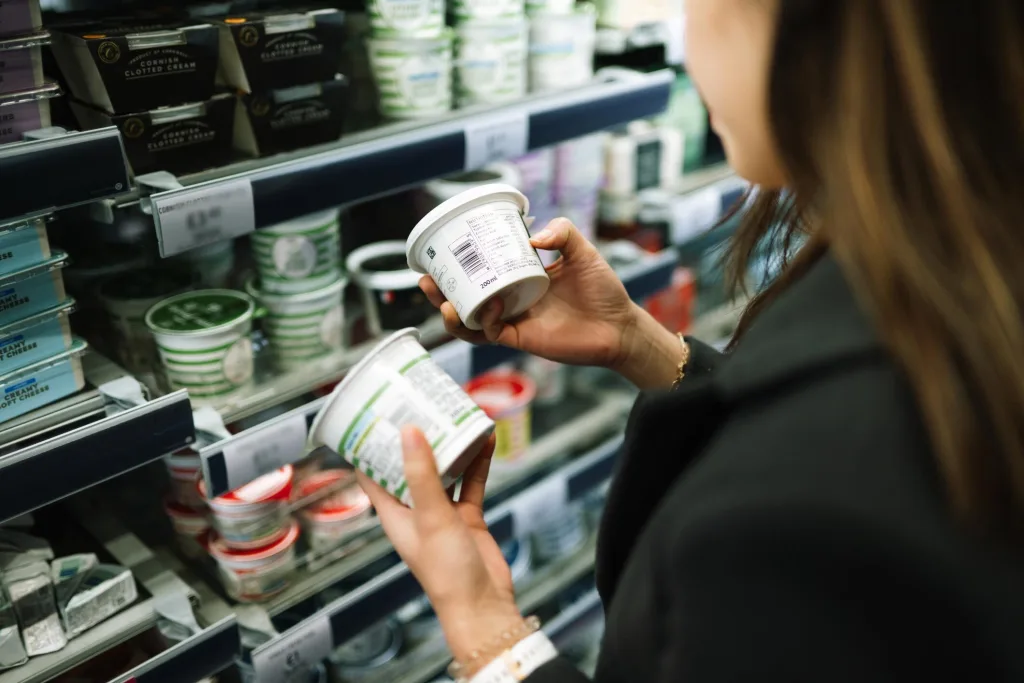
Packaging That Protects (Our Goods, Food & Planet)
Plastic packaging excels at keeping our food fresher and delivering our products intact.
To protect our food and things we buy, we should use the best packaging available because spoiled food and broken products waste massive amounts of resources, energy and material.
Lightweight, cushioning, insulating, versatile, durable, cost-effective – plastic packaging is replacing legacy materials based on its benefits and lower overall environmental footprint.
Examples/Benefits of Packaging That Protects
- Cushioning plastic foam and air bubble packaging is used to transport delicate and breakable electronics, medical devices, human organs, kitchenware, military equipment… anything that needs the best protection packaging can provide.
- Plastic packaging is designed to be highly effective at protecting food, medicine and other products from damage, contamination and spoilage. And it serves this purpose at every stage of food production process: farming, fishing, processing, distribution, storage, retail, and households. This enables society to deliver more nutritious foods to more people and places.
- Plastic packaging typically uses less material, weighs less, creates less waste and reduces greenhouse gas emissions compared to alternative materials.
- Using plastic packaging contributes to affordability – a 2026 study found that common household groceries would be significantly more expensive if packaged in alternatives to plastic packaging.
American Invention in Packaging That Protects
Initially designed as textured wallpaper, an engineer and chemist in New Jersey invented Bubble Wrap. These inventors pivoted and created Sealed Air Corporation to mass market a highly protective – and fun – new packaging.
By the Numbers: Packaging That Protects
The number with a chasing arrow on the bottom of some plastic packaging is called a resin identification code, meaning it identifies the type of plastic used. It does NOT indicate recyclability. Always check with your local recycler before putting anything in your recycling bins.
Common Plastics Used in Packaging That Protects
Polyethylene, polyethylene terephthalate, polypropylene, polystyrene, PVC (polyvinyl chloride)

Advanced Plastics Have Revolutionized Sports Equipment and Athletic Apparel
From professional athletes to weekend wellness seekers, plastics help people perform, compete and stay safe. Lightweight, strong, shock-absorbing, and weather-resistant, these materials have transformed sports equipment, protective gear, footwear, and apparel across nearly every sport.
Sports Equipment/Apparel Made with High-Performance Plastics
- Snowboards, skis, bindings, poles, boots, helmets, goggles and outerwear/gear
- Football helmets, mouth guards, shoulder pads, cleats and uniforms (including the players’ names and numbers)
- Surfboards and wetsuits
- Climbing ropes, hiking gear and kayaks
- Racquets, golf clubs, balls and pucks
- Athletic footwear, sports bras, bike shorts and other performance apparel worn by billions
All are made with high-tech plastics and/or composites.
American Innovation in Sports Gear/Clothing: Lycra/Spandex (elastane)
DuPont’s invention of spandex fiber (Lycra is a brand name) changed sports and leisure wear forever, enabling the creation of lightweight, comfortable, stretchy, long-lasting fabrics for everything from sports bras to smart fabrics tha–t can monitor vital signs.
By the Numbers: Sneakers and Everyday Life
Although categorized as sports shoes, 80% of Americans wear sneakers for casual, everyday use. These cushioning shoes support billions of people around the globe when working, exercising or simply going out for the evening.
Plastics Used in Sports Equipment and Apparel
Nylon, polyester, EVA (ethylene vinyl acetate), polyurethane, synthetic rubber
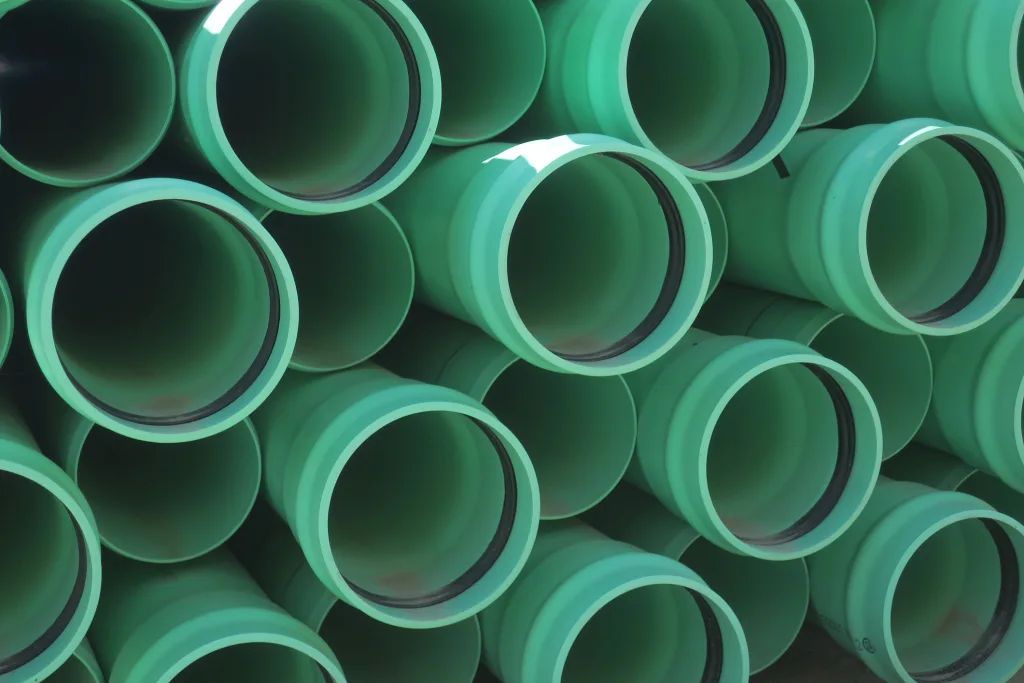
Plastic Pipes Are Revitalizing America’s Water Infrastructure
Communities Are Turning to Plastic Pipes
America’s drinking water and wastewater infrastructure is aging rapidly. As communities replace failing concrete, iron and lead pipes, durable plastic pipes are helping create resilient water systems and deliver drinking water more reliably and affordably. Plastic pipe has evolved into a cornerstone of America’s water infrastructure, including household plumbing.
Examples: Benefits of Plastic Pipes
Compared with legacy materials, plastic pipes:
- Typically last longer and resist corrosion.
- Experience significantly fewer breaks: 3x lower than ductile iron and 12x lower than cast iron pipes.
- Reduce installation and maintenance costs.
- Lower energy use through smoother flow. Every 10 miles of pipe replaced with plastic = savings of 2,500 kWh of energy due to reduced friction.
- Can deliver carbon reductions of up to 35% compared to alternatives.
American Innovation is Plastic Pipes: Butt Fusion
One American innovation in modern water infrastructure isn’t visible from the surface. “Butt fusion” uses heat to permanently join plastic pipe sections into a single continuous pipe that can be slipped into failing water lines. Combined with trenchless installation methods, utilities can replace sections of water mains without tearing up roads, disrupting traffic or excavating entire neighborhoods.
Read how engineers at Arlington National Cemetery replaced more than 44,500 feet of existing cast iron water mains with long lasting plastic pipes.
By the Numbers: Plastic Water Pipes
100+. That’s the number of years of the service life of plastic pipes, typically much longer than legacy materials.
Plastics Used in Resilient Pipes:
PVC (polyvinyl chloride), HDPE (high density polyethene), PEX (cross-linked polyethylene), ABS (acrylonitrile butadiene styrene)C (polyvinyl chloride), HDPE (high density polyethene), PEX (cross-linked polyethylene), ABS (acrylonitrile butadiene styrene)
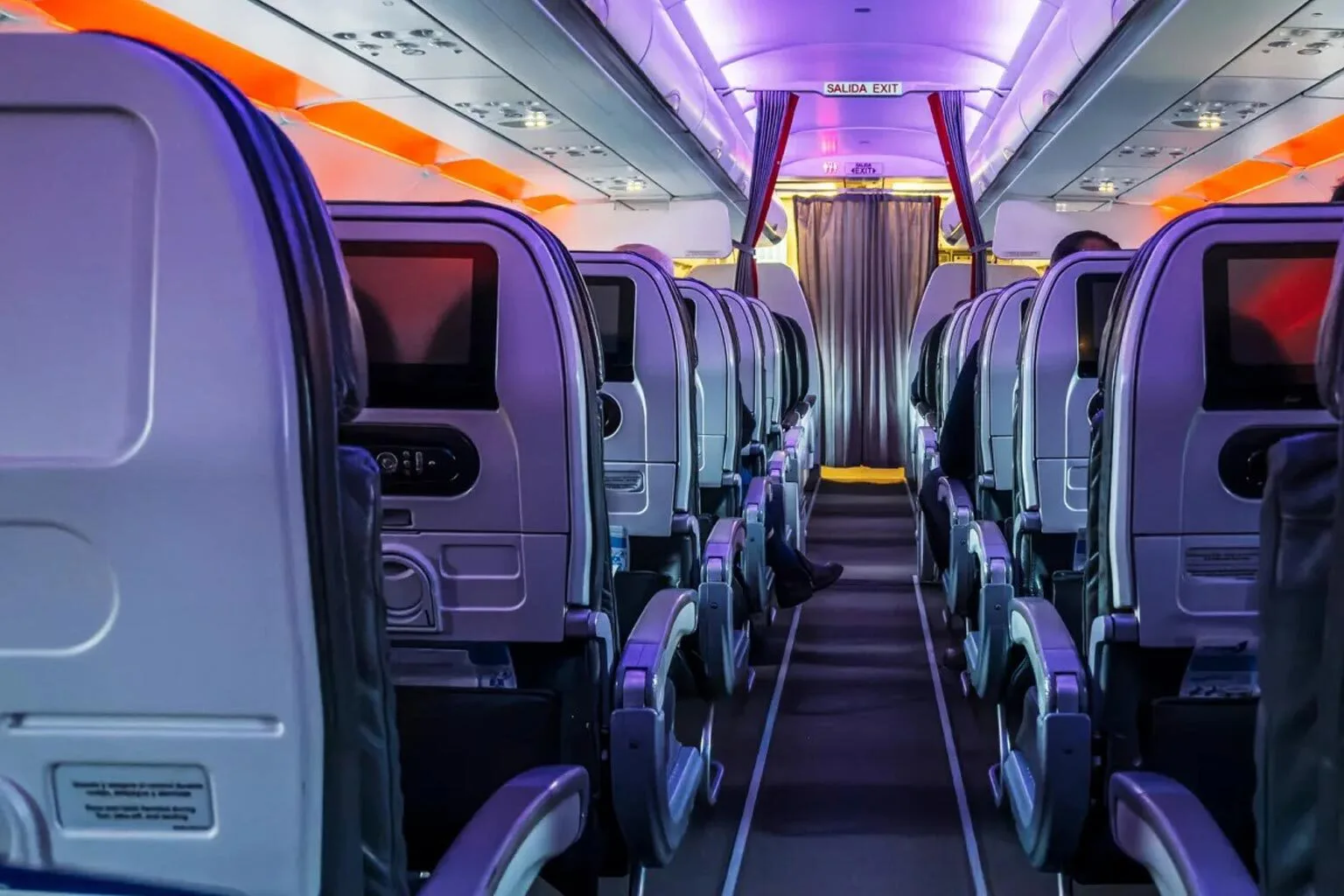
Plastics are Transforming Transportation: High-Perfomance Vehicles
High-tech plastics and composites have transformed our transportation through high-performance, safer and more efficient vehicles (cars, boats, aircraft & spacecraft).
Today’s vehicles for the road, water, air and space are technological marvels, in large part due to innovations in plastics and plastic composites. Durable, lightweight, impact resistant, protective – plastics have transformed the way we move, travel and explore by dramatically improving performance, safety and fuel economy.
Examples:
- Cars: Plastics and composites make vehicles lighter, improving fuel efficiency and extending EV driving range. They also enhance safety, playing a critical role in seat belts, airbags, child seats, bumpers, crumple zones and other life-saving features.
- Boats: Plastic composites form the lightweight, durable hulls of many recreational boats, while multiple plastics are used throughout the vessel (windows, seats, upholstery, decking, ropes, housings, etc.) to stand up to punishing marine conditions, including sun, saltwater, weather, organisms and constant wear.
- Aircraft: Modern airplanes rely heavily on plastics and composites, from interiors to windows and structural components (even the fuselage). Their light weight and strength help improve fuel efficiency, reduce emissions and enhance aircraft performance, which lightens your flight’s environmental footprint.
- Spacecraft: High-tech plastics used in space are lightweight, improving fuel efficiency and performance while resisting extreme temperatures, radiation, corrosion and chemicals. They also form protective layers in spacesuits to protect astronauts on spacewalks.
American Innovation in Plastics in High-Performance Vehicles
Memory foam was originally developed by NASA for astronaut seat cushions to absorb shock and g-forces during launch and landing. Today, this primarily polyurethane foam is used not only in mattresses, but also in automotive and sports safety equipment, medical devices and prosthetics, footwear, furniture, and more.
Plastics by the Numbers
Plastics and composites make up 50% of our cars and trucks by volume but only 10% by weight.
This contributes significantly to improved performance and fuel economy, which saves us money at the pump. Using lighter weight plastics instead of heavier materials saved Americans an estimated $25 billion at the pump in 2025.
Advanced Plastics Used in High-Performance Vehicles
Polycarbonate, PEEK (polyether ether ketone), aramids (like Kevlar), acrylic, HDPE (high-density polyethylene), polypropylene, PVC (polyvinyl chloride), polyurethane, multiple composites