How AI and Robotics Are modernizing U.S. Recycling
AI and robotics are transforming how plastics are recovered sorted, and recycled. These modern technologies can strengthen U.S. circular supply chains.
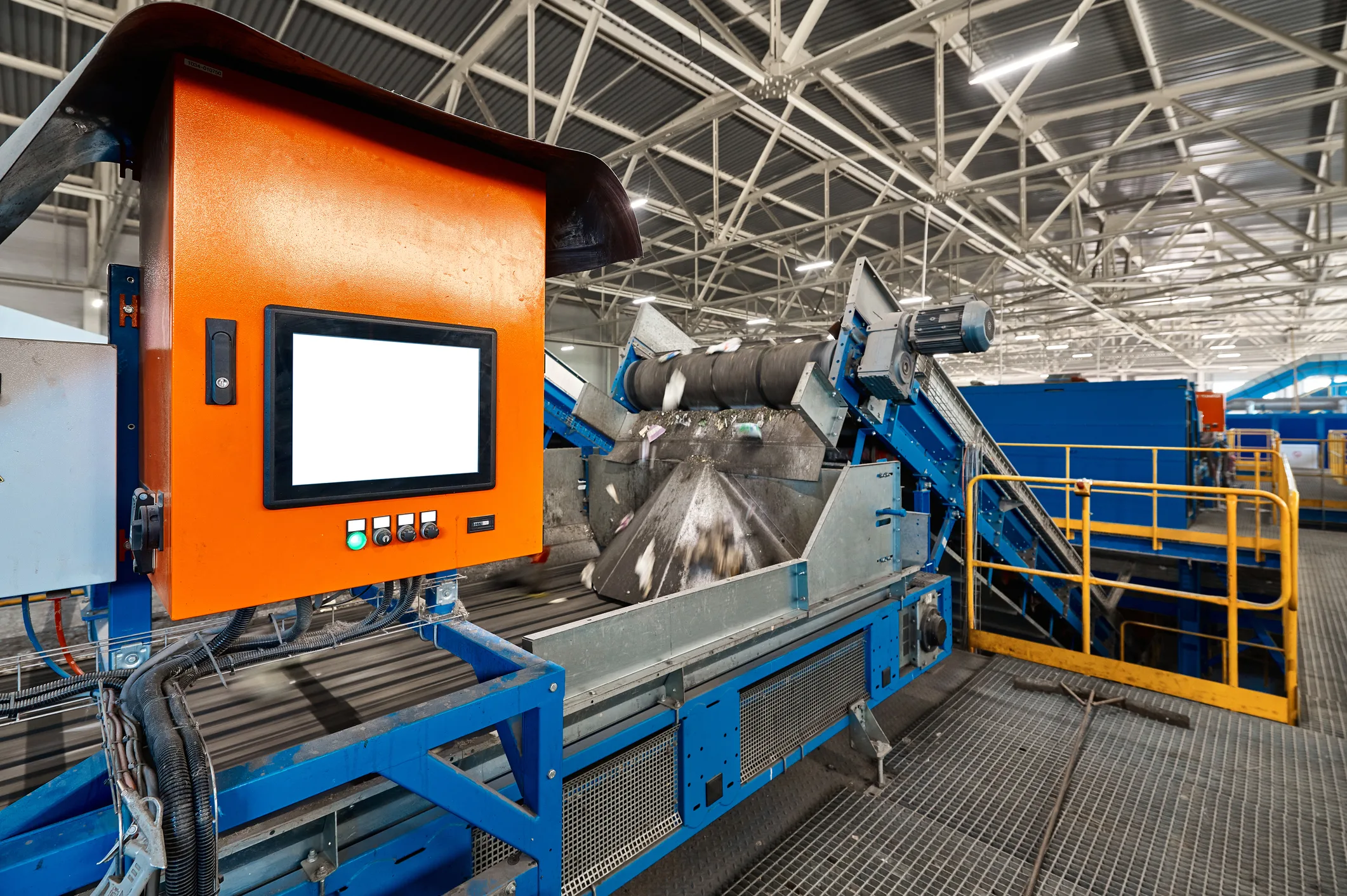
AI and robotics are modernizing how recyclable materials are identified, sorted, and returned to productive use, offering a major opportunity for the United States to strengthen domestic manufacturing, reduce waste, and build a more circular economy. But these technologies will reach their full potential only with policies and investments that support modernization and expansion of U.S. recycling infrastructure.
These technologies demonstrate that modernizing recycling is possible today — but scaling them nationwide will require smart policies, investment, and a long-term commitment to supporting innovation. Strengthening recycling infrastructure, adopting advanced technologies, and creating clear standards can help the U.S. increase recycling rates, reduce waste, and build a more circular economy for plastics. With continued investment in recycling technologies and the right policies in place, the U.S. can lead the world in recycling innovation and unlock new economic and environmental benefits for American communities.
AI-Powered Optical Sorting
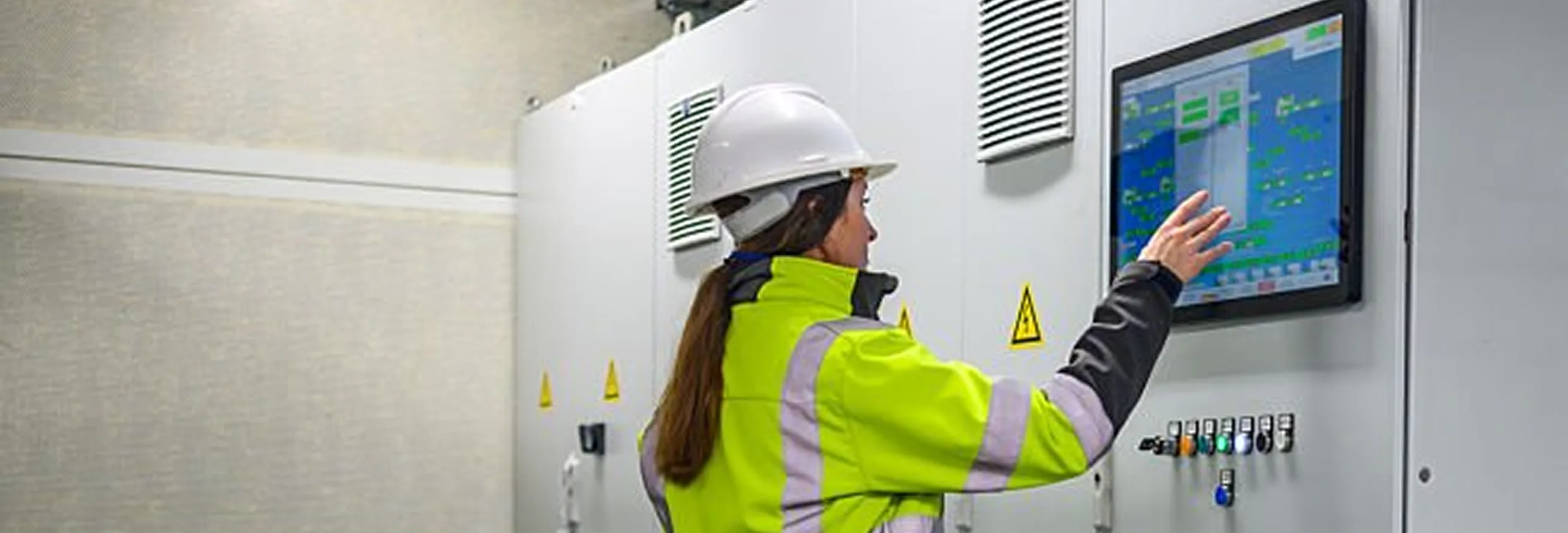
AI is dramatically improving identification and sorting of recyclable materials. Today’s advanced optical sorting systems use machine learning and high-resolution sensors to “see” materials with far greater precision than traditional systems—identifying plastic types, colors, labels, and even residue levels in milliseconds. AI allows recycling facilities to continuously improve accuracy and efficiency by learning from every item passing on the belt. These systems can help recover more reusable plastics, reduce contamination, and unlock higher-value recycled materials for U.S. manufacturers.
Robotic Sorting Systems
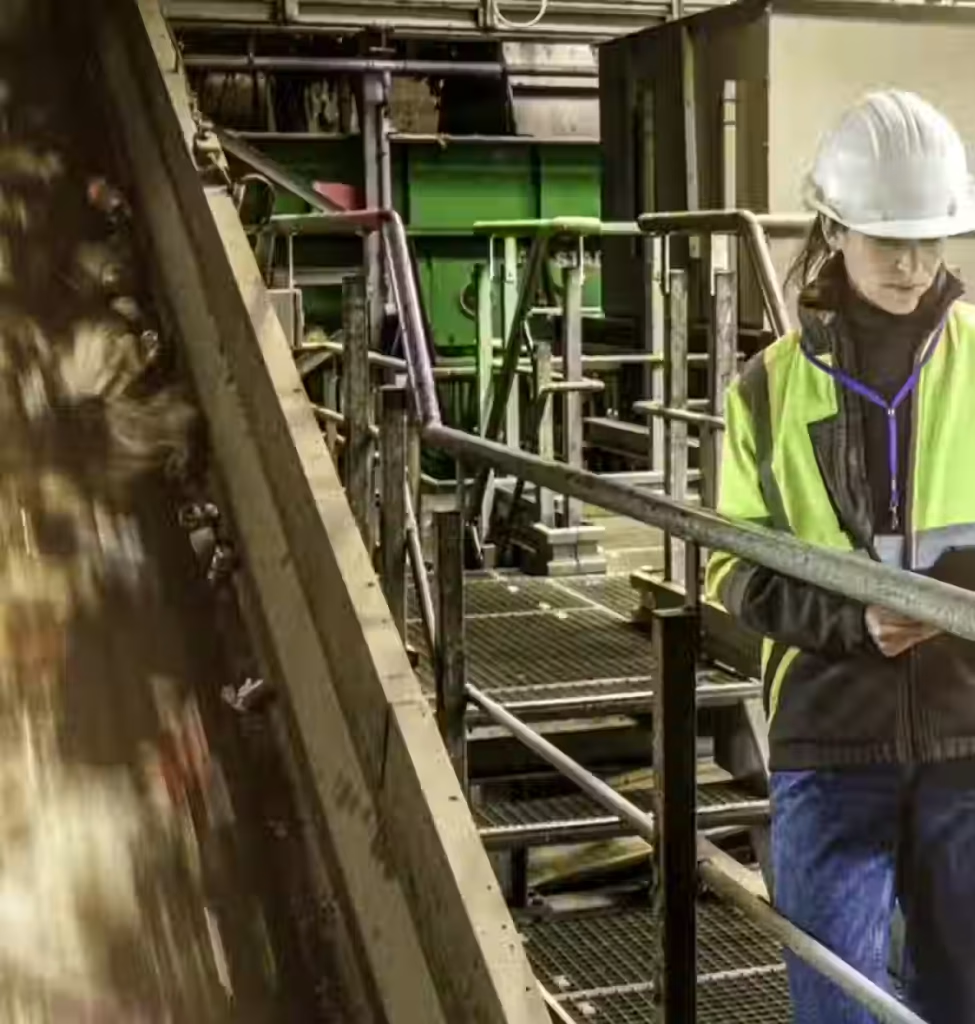
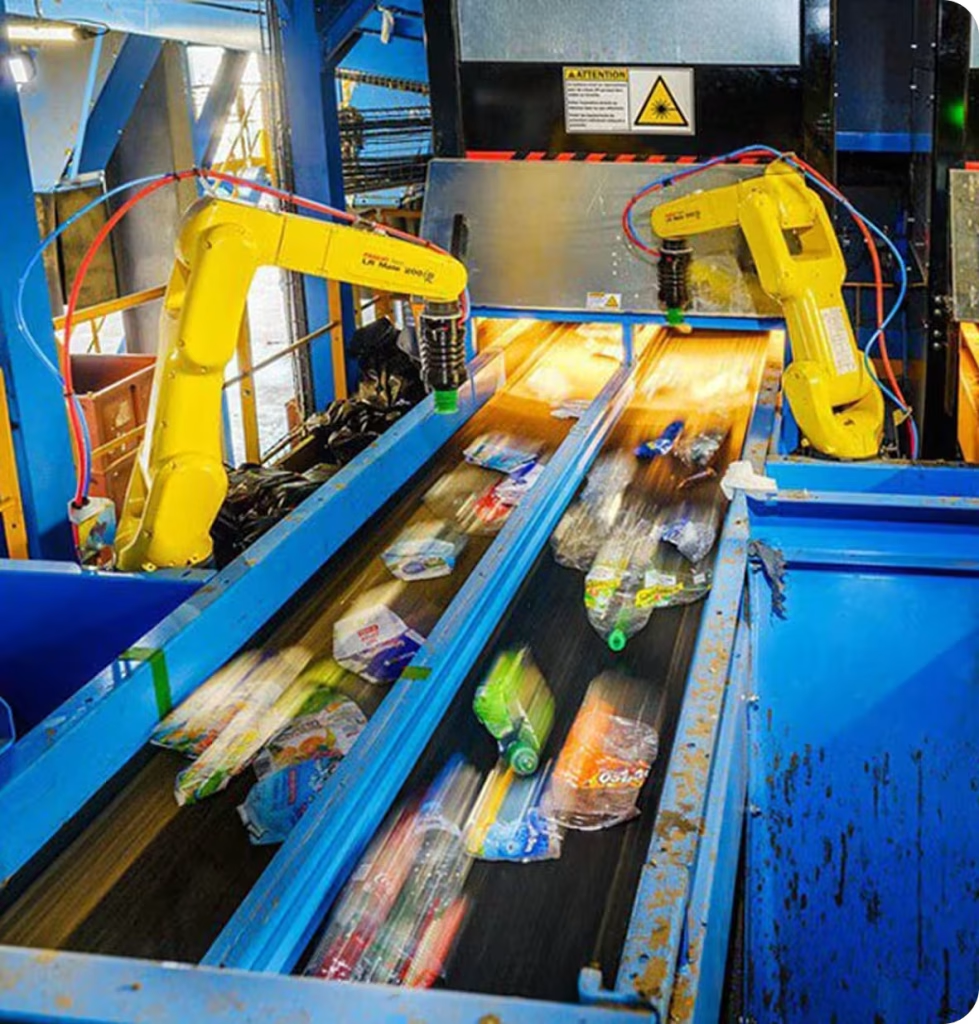
Robotics is another breakthrough helping recycling centers operate more safely and efficiently. Robots can enable facilities to capture more of the plastics that currently end up in landfills. Guided by AI, robotic arms can pick items at high speed—often 60 to 100 items per minute—sorting plastics and other materials with unparalleled accuracy.
When paired with AI optical systems, robotic sorters create a smarter, safer, and more flexible recovery process.
Digital Tracking and Smart Infrastructure
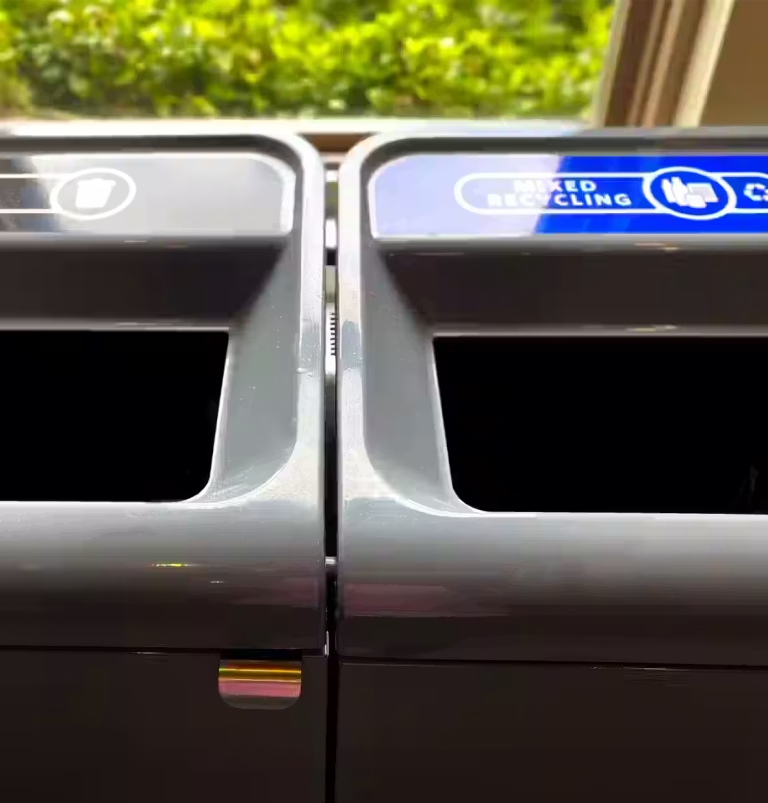
Sensor-enabled bins, smart collection systems, and digital ID technologies provide real-time data on how materials move through the waste and recycling system. These tools can help communities improve collection, reduce contamination, and ensure that more recovered plastics reach the right recycling facility. Digital tracking also supports brand commitments to use more recycled content by verifying material origin and quality, and it continues to drive plastics recycling innovation across the value chain.
Related Policies

Well-designed Extended Producer Responsibility (EPR) programs are one way to strengthen recycling.
Typically enacted as policy through legislation, EPR programs can provide consistent, long-term funding for system upgrades and improved collection. EPR frameworks that support recycling can accelerate adoption of innovations like AI and robotics and broader investment in modern recycling technologies.

Recycling Development Centers are a Practical Path to Improving Recycling Rates
Improving U.S. recycling rates requires data-driven decisions, expanded infrastructure, and strong end markets to ensure solutions work. Recycling Development Centers could strengthen systems by connecting materials, markets, and investment—especially in rural and underserved communities.
Watch: Google’s X, the Moonshot Factory on the role of data and technology in recycling