
Recycling Innovations
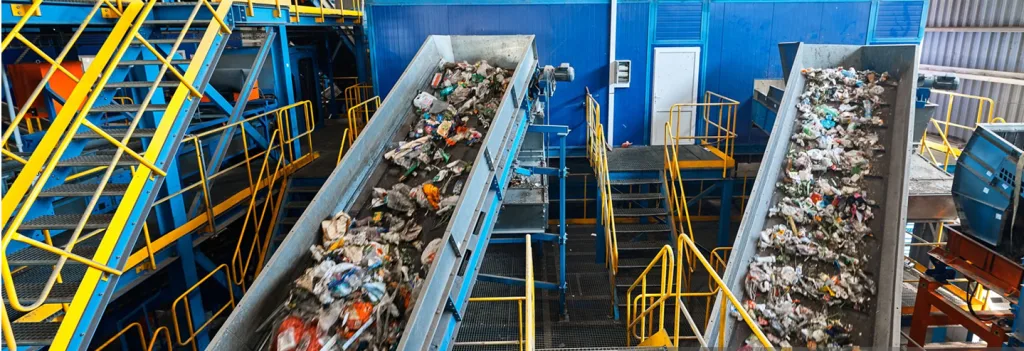
Discover how America’s Plastic Makers and innovators are modernizing and scaling recycling to keep plastics in use, strengthen U.S. manufacturing, and reduce waste.
New Analysis: The Economic Impact of Plastic Recycling
The State of Plastics Recycling
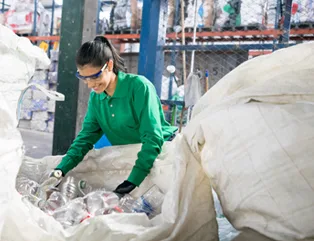
Millions of Americans recycle every day — at home, at work, and in their communities. In 2022, they helped recover more than 5 billion pounds of post-consumer plastic, according to STINA.
Still, there’s room to grow. The Recycling Partnership reports that about 83% of curbside-recyclable plastic packaging never reaches a recycling bin. Expanding access, awareness, and infrastructure can help close that gap.
Recycled plastics already find new life in bottles, packaging, durable goods, and building materials — reducing waste, saving energy, and strengthening domestic supply chains. This mix of progress and opportunity underscores the need to modernize and scale recycling.
The U.S. already has the infrastructure, workforce, and consumer participation to recycle billions of pounds of plastic each year. By upgrading infrastructure and investing in new recycling technologies and consumer education, we can recover far more plastics and strengthen U.S. manufacturing supply chains.
Recycling Innovations Driving Change
Modernizing Recycling Systems
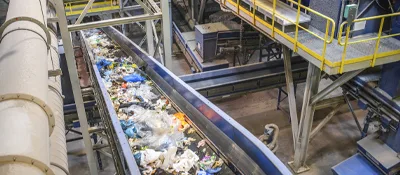
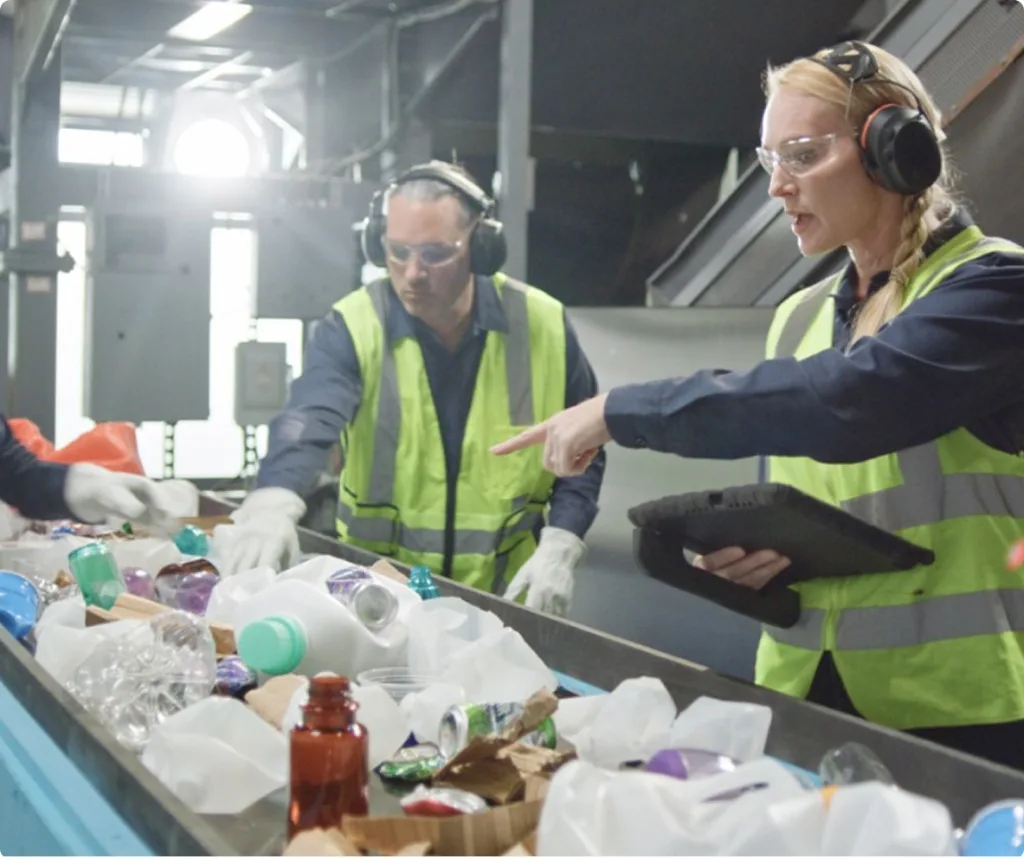
New technologies are poised to modernize recycling infrastructure. AI-powered robotics, advanced sortation, and smart sensors are improving how plastics are identified, sorted and processed — helping sortation facilities recover more materials efficiently and cost-effectively.
Advanced Recycling Technologies
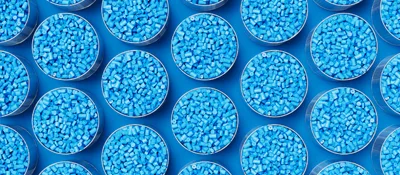
Advanced recycling converts plastics into their molecular building blocks, allowing them to be remade into new plastics of the same quality as virgin materials. This expands what types of plastics and plastic products can be recycled.

Design for
Recycling
Smarter packaging and product design make recycling easier and improve recovery rates. Innovations in labels, adhesives, and material choices reduce contamination and keep more plastics in circulation.
Why Recycling Innovation Matters
The U.S. already has a strong foundation for plastics recycling — millions of households participate in curbside programs, with a network of MRFs and processors handling billions of pounds annually.
Recycling works, but it can do much more with innovation that helps modernize and scale recycling.
Economic Benefits
Expands workforce, creates jobs, and strengthens U.S. manufacturing supply chains.
Environmental Benefits
Captures more plastics, reduces landfill waste, and lowers greenhouse gas emissions.
Consumer Benefits
Smarter tech and design make recycling easier for households and communities.
National Benefits
Supports circular economy and sustainability goals, providing tools to improve recycling rates and infrastructure.
Together, these benefits show how innovation builds on today’s system and takes it to the next level — making it more efficient, resilient, and circular.
Legislative Support is Key
Scaling innovation requires smart, supportive policies. Innovation is modernizing America’s recycling system — but scaling it nationwide requires legislative action. Supporting investment, innovation, and legislation will help build a stronger system, reduce waste, and create a circular economy.
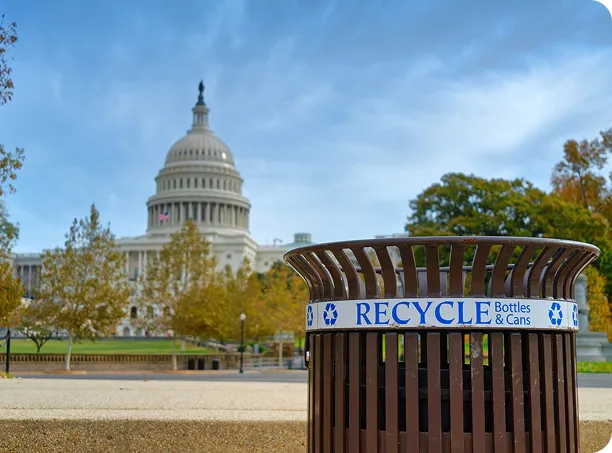
Bipartisan proposals — like the Accelerating a Circular Economy for Plastics and Recycling Innovation Act — aim to set national standards, strengthen infrastructure, and scale modern recycling technologies.

America’s Change Makers
Behind many of these breakthroughs are America’s Change Makers — scientists, engineers, innovators, and entrepreneurs working to transform recycling. From AI-powered robotics to scaling advanced recycling facilities, they are shaping the future of a circular plastics economy.
Frequently Asked Questions about Recycling
1. What types of plastics can be recycled?
Most communities accept plastic bottles, jugs, and containers labeled with recycling codes #1 (PET) and #2 (HDPE). Other plastics—like flexible films, wrappers, and certain mixed materials—are increasingly recyclable through advanced recycling technologies, but acceptance varies by location. To know exactly what you can recycle curbside, check your local government’s website for recycling guidelines.
2. What is the difference between mechanical and advanced recycling?
Mechanical recycling cleans, shreds, and remelts plastics into new products. Advanced recycling breaks plastics down to their basic building blocks, which can then be remade into new plastics of the same quality as virgin materials—expanding the range of plastics that can be recycled.
3. Why is the U.S. plastics recycling rate relatively low?
Several factors contribute: not all communities have curbside programs; many facilities lack the technology to handle today’s wide variety of plastics; and consumer participation is inconsistent. New technologies and infrastructure investments are helping to modernize and scale recycling nationwide.
4. How do recycling innovations benefit the economy?
Modernizing recycling creates high-quality U.S. jobs, attracts private investment, and strengthens domestic manufacturing by providing reliable supplies of recycled materials.
5. How can policymakers support recycling innovation?
By passing bipartisan legislation—such as the STEWARD Act, the Recycling Infrastructure Advancement Act, the Recycling and Composting Accountability Act —policymakers can help modernize infrastructure, expand mechanical and advanced recycling, and create a steady stream of recycled plastic for U.S. manufacturers.