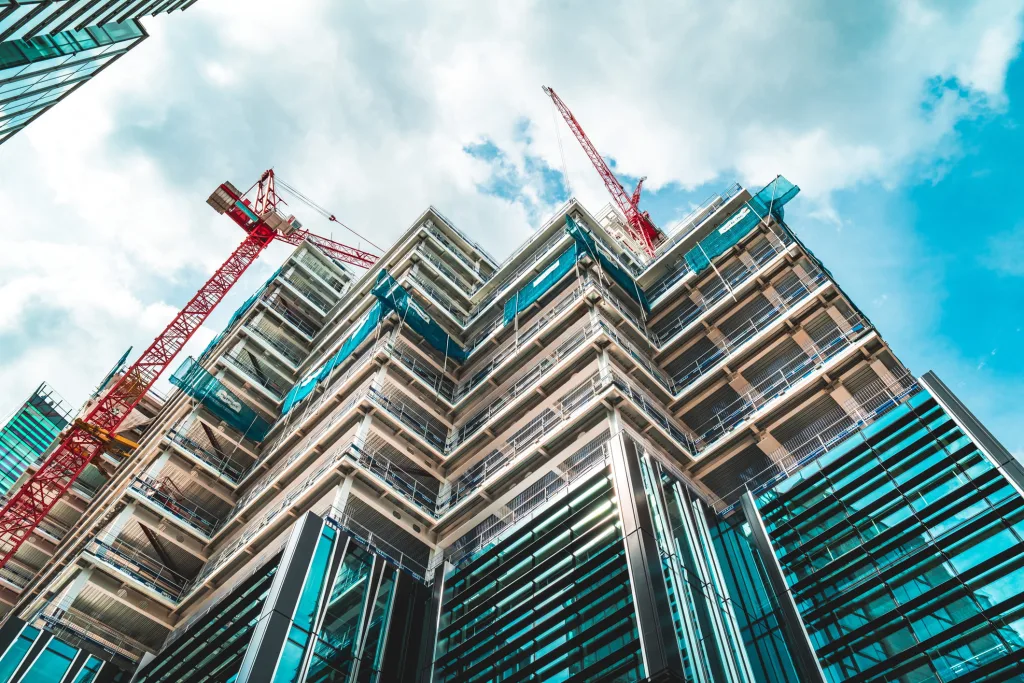
Plastic Building Materials for Energy Efficiency & Infrastructure
A robust, reliable supply of plastics is critical to our nation’s buildings and infrastructure.
Plastic building materials help drive down energy use in our homes and buildings, including the growing number of data centers. They also improve the durability and resilience of our water systems. And they’re even helping create more resilient roads and bridges.
Policy That Supports Smarter, More Resilient Infrastructure
The right policies can help accelerate the use of building materials that improve energy efficiency, strengthen infrastructure and lower associated costs for families and communities. Explore our policy priorities and resources below.



Energy Savings = Affordability
Saving energy is one of the easiest and most cost-effective ways for us to reduce greenhouse gas emissions and to save money.
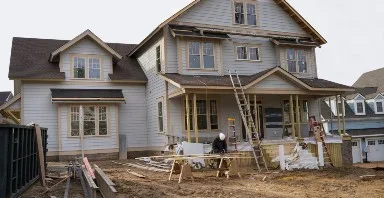
Homes Buildings: Modern plastic building materials help dramatically reduce home and building energy costs by playing a critical role in sealing a building envelope against heating/cooling losses.
Water Systems: Durable plastic pipes help save money in our nation’s water systems by reducing upfront, operational and maintenance costs.

Innovations in Plastic Building Materials Reduce Energy Use and Improve Resiliency
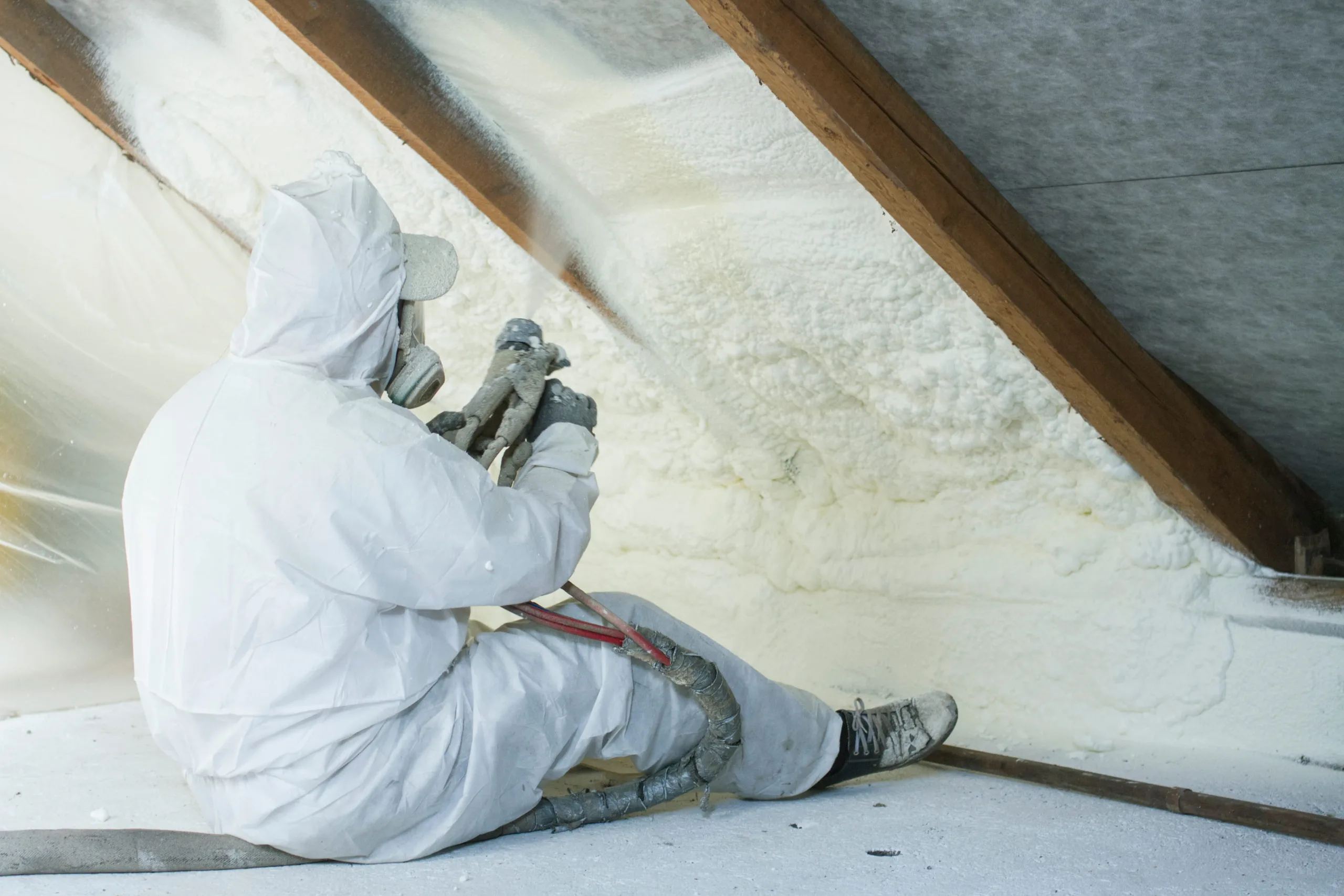
Plastic Insulation, Wraps and Sealants Save Energy in our Homes and Buildings
Plastic building products – spray and rigid foam insulation, house wrap, window frames, caulks/sealants and more – play crucial roles in sealing a building “envelope” against heating/cooling losses, allowing us to save more energy and money and to reduce greenhouse gas emissions. One study found that if all U.S. single-family homes used spray foam insulation, the reduction in greenhouse gas emissions would be equivalent to taking nearly 40 million cars off the road each year. How? By reducing greenhouse gas emissions related to home heating/cooling by a whopping 40%.

Plastic Building Materials Can Reduce Energy Use in Data Centers
Data centers that enable the Internet and artificial intelligence capacity use a growing amount of electrical power. This electricity comes from the same power grid used by other commercial/industrial buildings – and our homes – which can impact consumer utility (and other) costs.
Extensive use of durable plastic building materials can reduce the amount of electricity used by data centers, thereby improving their energy efficiency and affordability. For example, durable plastics used in walls, doors, and floors can provide barriers between hot and cold areas, which improves insulation
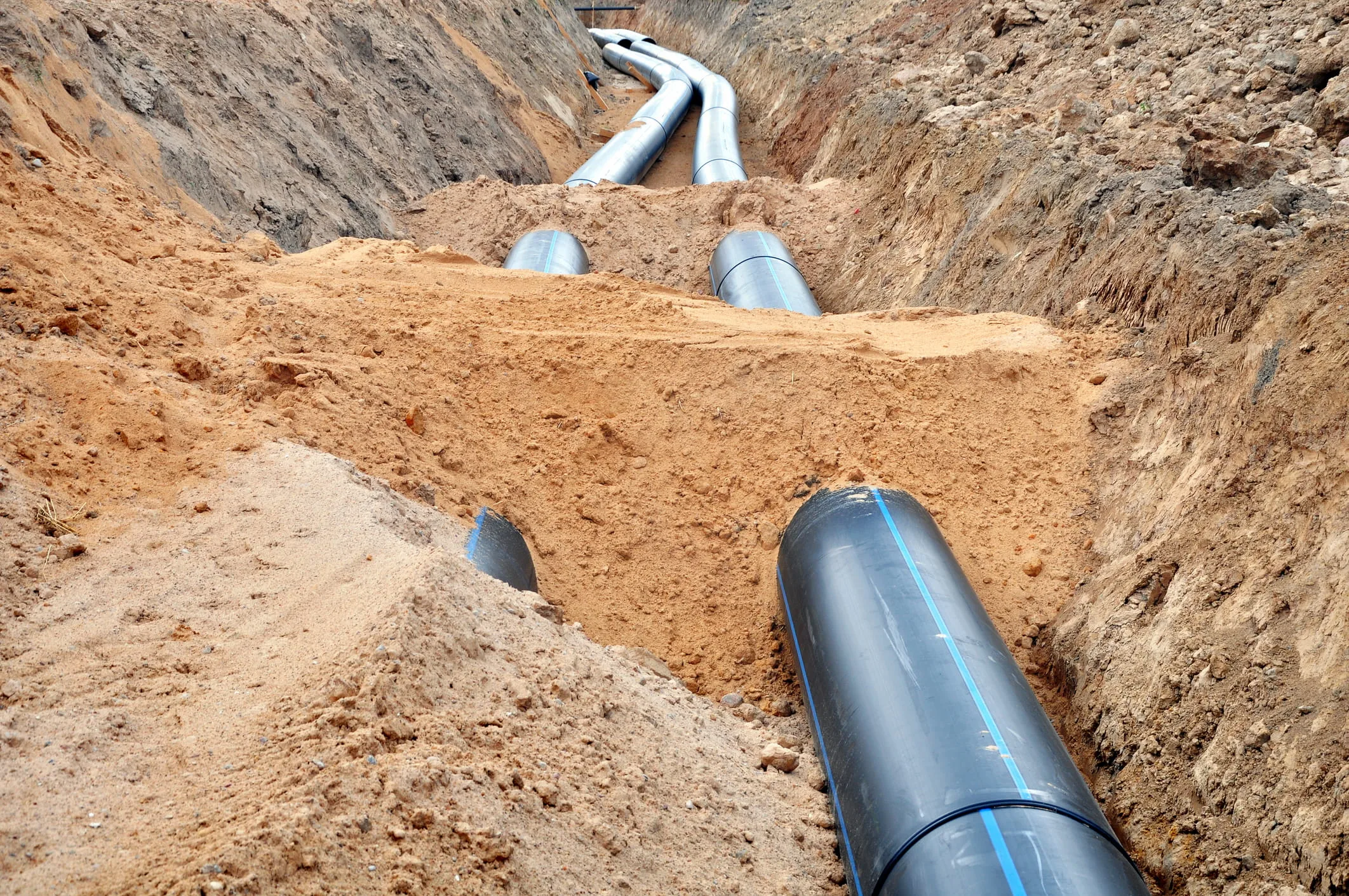
Plastic Pipes Save Water, Energy and Money, and Improve Resiliency
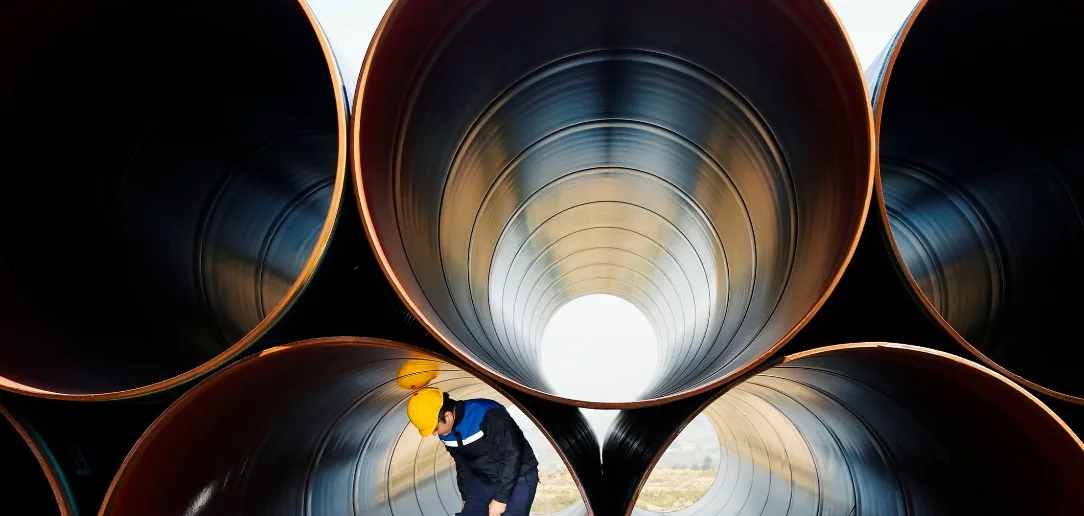
Plastic pipes typically are more economical, more durable, use less energy and perform better than legacy materials, which improves affordability and resiliency of our communities.
Plus, innovative engineering now allows plastic pipes to replace old, rusted pipes without removing them or even digging trenches, which can dramatically reduce the cost and disruption of repairing and upgrading our water infrastructure.
As we invest tax dollars in upgrading our nation’s infrastructure, we should use more resilient, durable plastic pipes.

Plastic Composites Improve Resiliency in Roads and Bridges
Composites – such as combining glass fibers with plastics – are considered a new turning point in materials science.
The combined materials create something much tougher and more capable than expected. This phenomenon can help us rebuild our nation’s infrastructure with much greater resiliency. And sustainability.
These durable, high-tech plastic composites are contributing significantly to our nation’s ability to move people, energy, goods and water. Here’s a look at how plastic composites contribute to stronger, longer-lasting roads and bridges.