
POLICY POSITION
Water and Sewer Infrastructure Improvements: Policy Principles for Cost Effective, Scalable Solutions
Replacing lead service lines is a critical public health priority. As states and utilities scale these efforts, policy decisions will shape how quickly and cost-effectively communities can remove lead pipe from drinking water systems. Rather than mandating a single material option, we support policies that help maximize impact and protect limited infrastructure funding.
These policies should support the use of proven materials, including modern plastic piping solutions, that meet rigorous safety and performance standards.
The Policy Challenge
Material mandates can limit flexibility and increase costs
As lead service line replacement efforts expand nationwide, some policy proposals have sought to mandate a single material for all replacements rather than allowing utilities to select from multiple material options based on performance, cost, and site-specific conditions.
Public water systems have long relied on engineering standards and technical specifications, not statutory mandates, to guide material selection. These frameworks prioritize durability, safety, and long-term performance while allowing flexibility to adapt to local conditions.

Pipe Policy in Focus: New York
A recent legislative proposal (S6892) would establish copper as the default replacement material for lead service lines. At the same time, a state audit found that in doing so, replacement costs sometimes significantly exceeded projections:
- Expected average cost to replace a typical lead service line was $11,000.
- 382 individual line replacements exceeded that threshold, with the highest single estimated cost totaling $66,000.
- The state reimbursed municipalities ~$1 million over the expected cost of $11,000 for the 382 lead service lines.
Bottom line: Policies restricting material choice can contribute to higher costs and limit how many service lines can be replaced with available funding.
Why Costs Matter
Higher costs can slow progress and reduce impact
Replacing lead service lines at scale requires significant public investment. When costs rise beyond expectations, fewer lines can be replaced, slowing progress toward eliminating lead exposure in drinking water systems.
Cost-effective infrastructure policy is not just a budget issue—it’s a public health issue. Every dollar spent inefficiently reduces the total number of communities and constituents that can benefit from service line upgrades.
Performance-Based Standards
Let standards—not mandates—guide infrastructure decisions
Performance-based policies allow utilities to select from approved materials that meet rigorous safety and quality standards. This approach:
- Encourages competitive procurement and cost control
- Supports innovation in materials and installation methods
- Accounts for site-specific conditions (soil, density, access)
- Aligns with established engineering and regulatory practices
Modern drinking water infrastructure decisions are best guided by standards such as ANSI/NSF certifications, which ensure materials meet strict health and safety requirements.
Proven Pipe Infrastructure Materials
Multiple piping materials including plastics deliver safe, durable performance for water infrastructure.
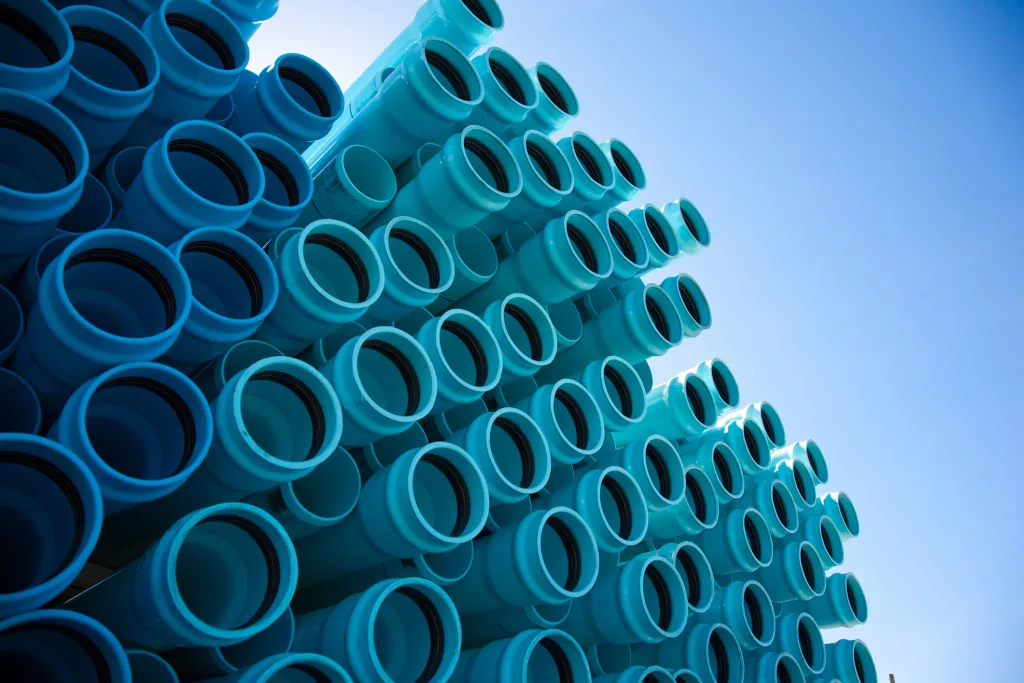
A range of materials are widely used in drinking water infrastructure today, including PVC and HDPE piping. These materials are used extensively across U.S. water systems and meet rigorous ANSI/NSF standards for safe use in potable water applications.
When properly specified and installed, these materials offer:
- Corrosion resistance: Not susceptible to internal corrosion or scaling
- Long service life: Often exceeding 75–100 years
- Efficient installation: Lightweight materials can reduce labor and construction impacts
- Leak reduction: Advanced joining systems help minimize water loss
These characteristics make modern plastic piping a proven option alongside other compliant materials for lead service line replacement.
Policy Recommendations
A flexible, performance-driven approach delivers better outcomes
- Avoid mandating a single replacement material
- Support performance-based standards based on safety and durability
- Enable open, competitive procurement across compliant materials, including modern piping materials that meet established drinking water standards
- Allow utilities to make site-specific engineering decisions
In short, a flexible approach helps ensure more lead service lines can be replaced, more quickly, and at lower cost—delivering stronger public health outcomes for communities.

Explore More on Modern Water Infrastructure
See how innovation in materials and infrastructure is helping communities modernize water systems, reduce costs, and improve long-term performance.