
Policy Position
Extended Producer Responsibility (EPR)
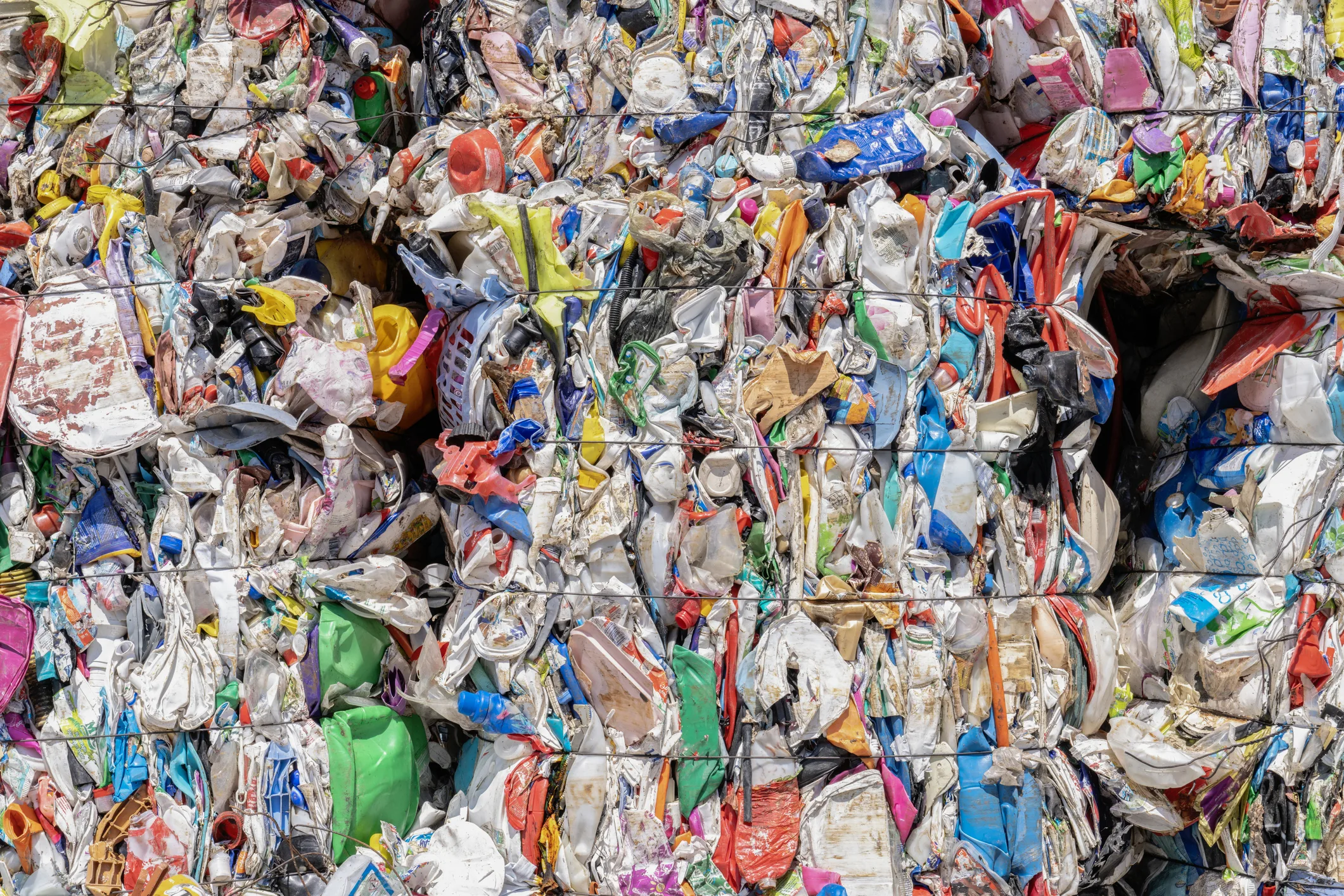
Implementing an extended producer responsibility (EPR) system in the U.S. can help significantly increase plastic recycling rates, keep valuable materials in circulation, and move the nation closer to a circular economy for all packaging. Good EPR policy can expand access to recycling, improve collection and sortation, and support a more modern and efficient recycling system.
.
How EPR Supports U.S. Recycling Goals
America’s Plastic Makers® support state and national efforts to increase the collection, reuse, and recycling of plastic packaging as part of a broader transition to a circular economy. Achieving this shift requires modernizing recycling systems and expanding the collection and processing of recyclable plastics.

In some countries, EPR programs seem to have helped expand access to recycling. Under most EPR systems, product makers pay fees that support recycling infrastructure and education. This creates incentives to design packaging for recycling, use more recycled plastics, reduce waste, and increase recycling rates across all materials.
EPR can help build a more circular economy in which packaging materials—especially plastic—are recovered and recycled instead of discarded.
More background on EPR here.
What a Well-Designed EPR System Looks Like
In the U.S., an effective extended producer responsibility system should:
Invest in Recycling Infrastructure: Support infrastructure where it is most needed—improving access, collection, sortation, and public education to increase U.S. plastic recycling rates.
Recognize All Forms of Recycling: Include both mechanical and advanced recycling technologies. Materials recycled through advanced recycling should count as recycled content and included in recycling rates.
Include Certified Recycled Plastic: Independently certified recycled plastics should qualify under the EPR programs.
Enable Special Assessments When Needed: Producer responsibility organizations (PROs) may use targeted assessments to improve recycling of specific recyclable plastics or packaging types.
Support Open, Competitive Material Markets: EPR programs should preserve fair and competitive markets for post-use materials.
What Effective EPR Systems Should Avoid
Material Switching & Production Caps
EPR should focus on improving recycling—not limiting or forcing shifts away from certain materials. More background on Production Caps here.
Unrelated Policy Provisions
EPR should not include unrelated restrictions on plastic products, resins, or chemistries that do not meaningfully improve recycling outcomes and risk undermining sustainability progress and weakening U.S. manufacturing. More background on Plastic Packaging Restrictions here.
Principles for Strong EPR Governance
To be effective, EPR systems should incorporate the following principles:
Clear cost allocation: Costs allocated by packaging/material type, weight, and characteristics based on transparent needs assessments.
Dedicated funding: Fees should support recycling access, collection, education, and infrastructure—and remain separate from general government revenue.
Producer-led PRO governance: The PRO should have authority to carry out activities needed to achieve system goals.
Allowance for secondary sortation: EPR systems should authorize secondary sorting to increase recovery of recyclable plastics.
Eco-modulated fees: Fees should reflect packaging characteristics, including environmental performance.
Sunset provisions: Once system goals are met, the PRO plan should sunset, leaving behind a modernized system.
Innovation pathways: New materials or packaging technologies should have reasonable compliance pathways.
Exemptions: Exemptions should be available when necessary to protect public health or supply chain needs.
Government oversight: State agencies should maintain appropriate oversight to help ensure EPR brings measurable improvements.

How EPR Helps Build a Circular Economy
Waste in the environment, including plastic waste, is never acceptable. EPR can help support innovation in recycling technologies, increase recycling rates and keep recyclable plastics out of landfills. By expanding and modernizing recycling systems, EPR creates the foundation for a circular economy in which valuable materials stay in use and out of the environment.