
What is Circularity?
Circularity means using plastics (or any resource) more efficiently by keeping the material in use for as long as possible, getting the most we can from the material during its use, and then recovering it to make new products.

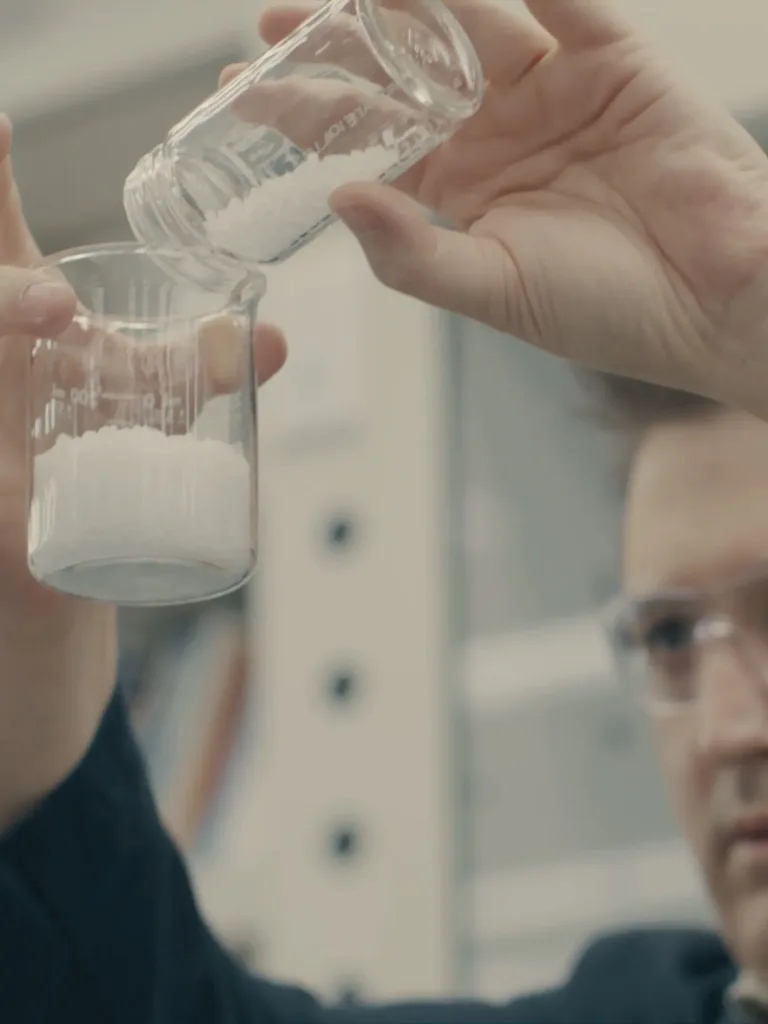
We keep the molecules in play.
This gives a product a circular life, greatly reducing its chances of becoming waste and helping keep it out of our environment.
Circularity is simple, but it requires making sustainable changes.
There are multiple steps that can accelerate our drive toward circularity, such as:
- Choosing materials with a lighter environmental footprint (such as lightweight, efficient plastics).
- Rethinking how products are made, designed and used.
- Designing products that can be reused and/or recycled.
- Capturing materials at the end of their useful life to keep them in play and out of our environment.
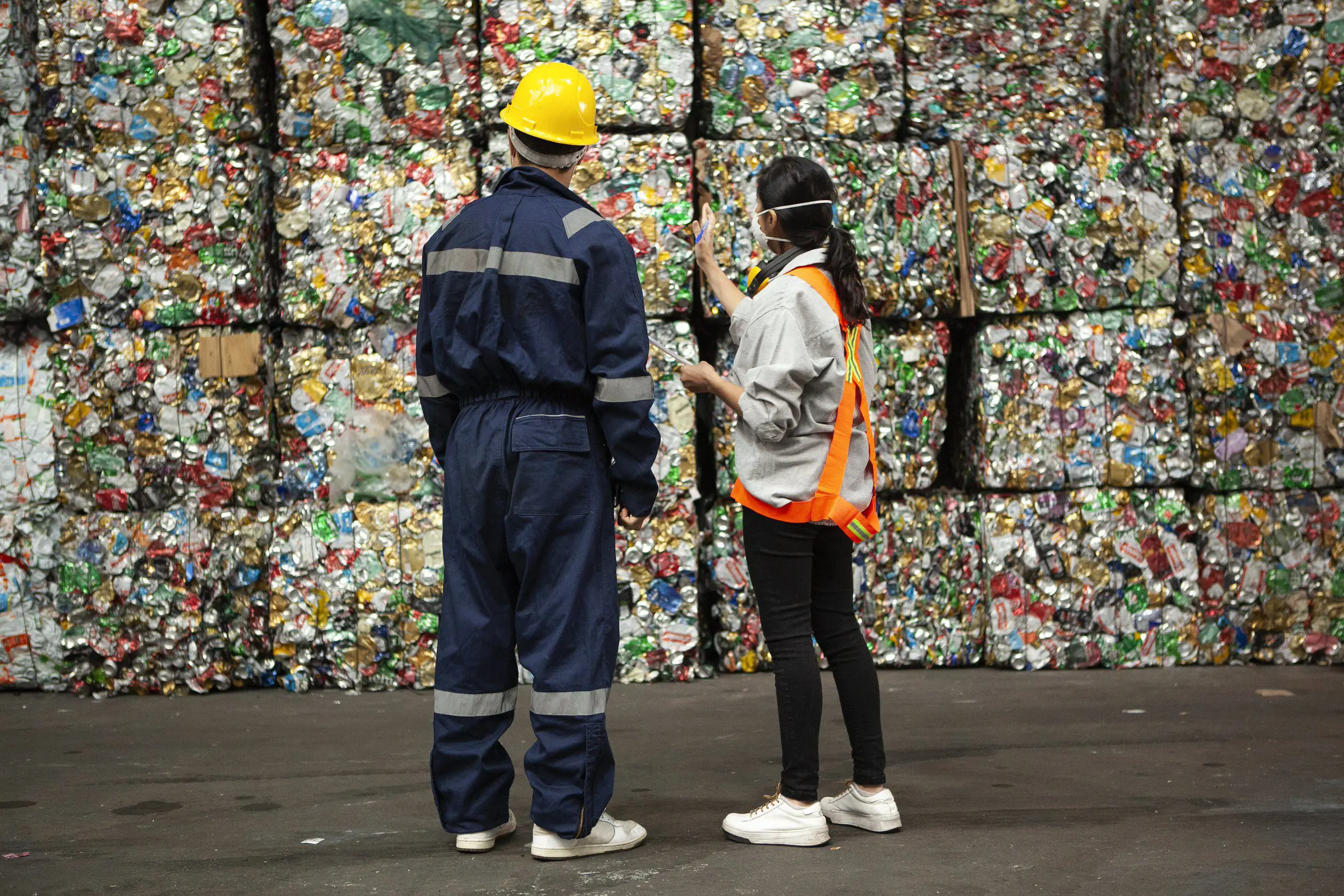
- And using conventional and advanced recycling to remake these materials into new materials to be used again and again… reducing and displacing the need to extract limited natural resources.
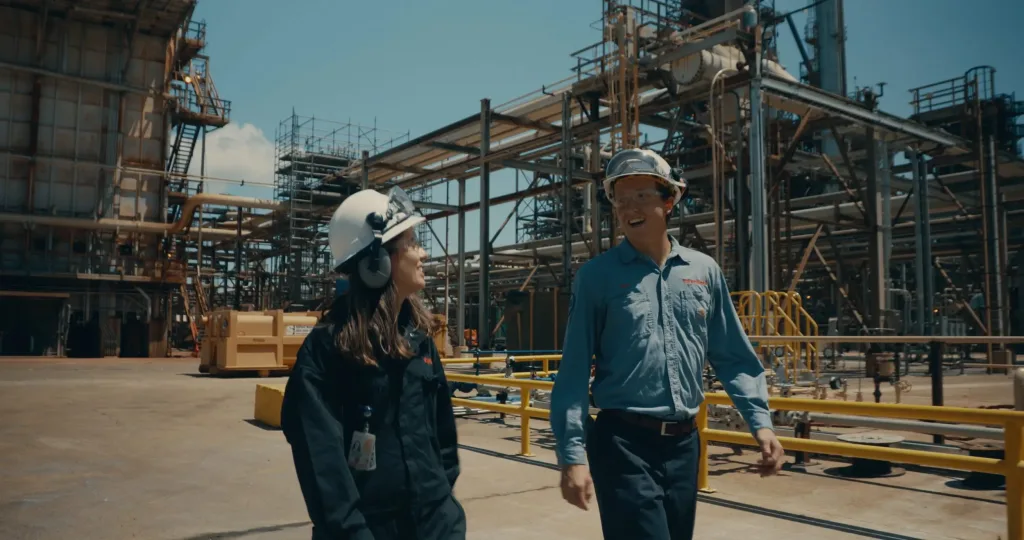
Circularity is our future.
It’s not a passing fad. It’s the innovative, sustainable way of making things that leads to a cleaner, safer, healthier future. This is our journey. Join us.
What We’re Doing
Progress in Action
Find out how we are changing business models to embrace circularity.
Insights
Find out what’s happening and how we’re making sustainable change.
Advocacy Resources
Want to help make sustainable change? We’re providing helpful resources to lend your hand and raise your voice.
Podcasts
-

Episode 58
How Salons Are Reducing Waste with SalonCentric’s Ben Thompson
Ben Thompson, Vice President – Sustainability, SalonCentricStep inside the beauty industry's sustainability journey and discover how salons, brands and consumers are working together to keep more materials in use and out of landfills.
-
Episode 57
What Happens After You Toss a Bottle in the Recycling Bin?
Laura Stewart, NAPCOR Executive DirectorMost of us toss a plastic bottle into the recycling bin without thinking twice. But where does it actually go? Does recycling really work? And what happens after the truck drives away?
-
Episode 56
How Akron Is Reviving American Manufacturing Through Polymer Innovation
Shammas Malik, Mayor of AkronWhat does the future of American manufacturing look like? In Akron, Ohio, it looks like innovation rooted in legacy. In this episode of Sustainably Speaking, host Mia Quinn sits down with Akron Mayor Shammas Malik to explore how the city is transforming its historic rubber industry into a modern hub for polymers, advanced materials, and sustainable manufacturing.
-
Episode 55
Opening Doors In STEM with Vaishali Udupa and Jennifer Ronk
Vaishali Udupa & Jennifer RonkIn this episode of Sustainably Speaking, host Mia Quinn sits down with former Commissioner of the U.S. Patent and Trademark Office, Vaishali Udupa and Jennifer Ronk, a plastics and sustainability expert at Dow, to explore how STEM careers are opening doors far beyond the lab. From supervising crews on job sites to leading ~10,000 people at the U.S. Patent and Trademark Office, Jennifer and Vaishali share candid stories about leadership, resilience, and the mentors who changed their lives. They unpack why sustainability is "everybody's job," how patents fuel innovation, and why the next generation shouldn't be afraid of AI.
-
Episode 54
Recycling’s Big Year and Even Bigger Future with Ross Eisenberg
Ross Eisenberg, President of America’s Plastic MakersIn this episode of Sustainably Speaking, host Mia Quinn welcomes back Ross Eisenberg, President of America’s Plastic Makers™, for a wide-ranging conversation on why recycling is no longer just an environmental issue—it’s an economic and manufacturing opportunity hiding in plain sight.
-
Episode 53
Investing in Sustainable Technology with SK Capital’s Anne Kolton
Anne Kolton, Chief Sustainability Officer, SK Capital PartnersIn this episode of Sustainably Speaking, host Mia Quinn sits down with Anne Kolton, Chief Sustainability Officer at SK Capital Partners, to explore how private equity is supporting the next wave of innovation in materials, plastics, and manufacturing. From dissolvable packaging to AI-powered manufacturing, Anne shares how breakthrough new technologies are unlocking a new era of sustainabilit