
Policy Position
Restrictions on Plastic Packaging and Products: A Step Backward
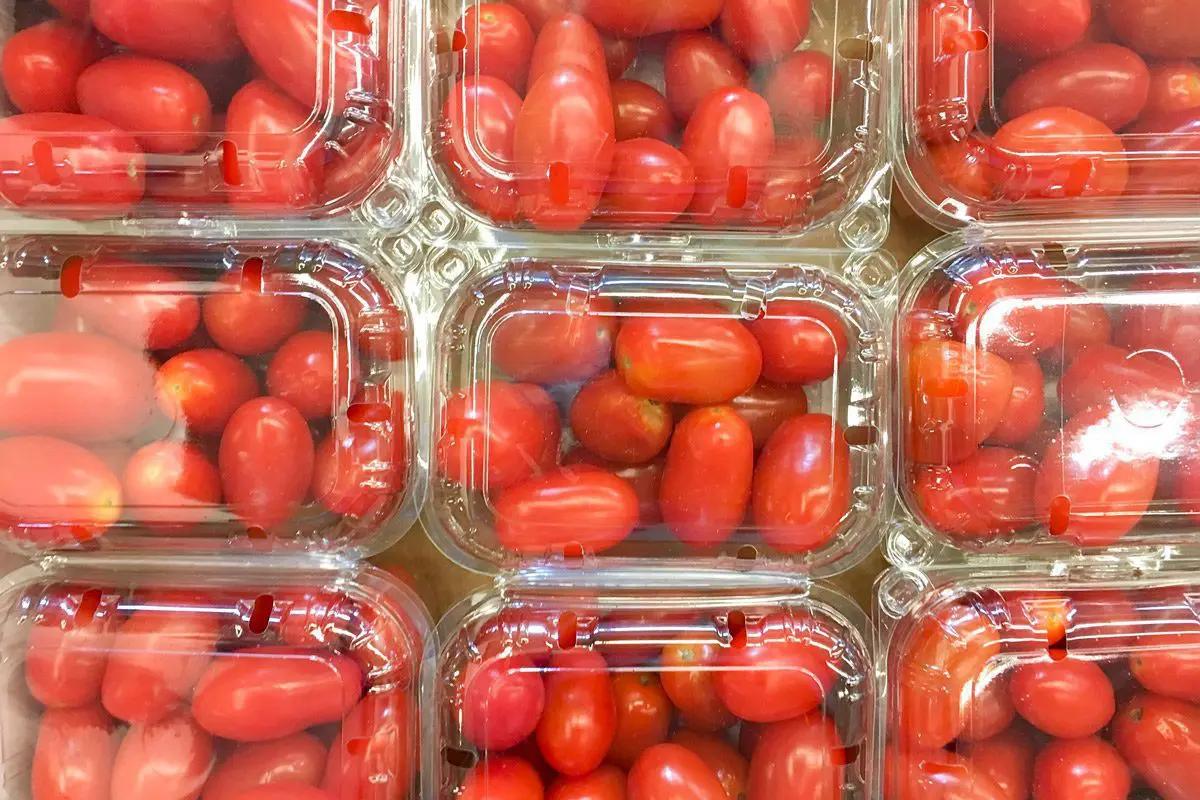
Decades of scientific studies show that plastic packaging and products typically use less material and create less waste and greenhouse gas emissions over their lifecycles than available alternatives. Replacing plastic packaging with heavier, higher-emission materials could move us backward environmentally, not forward.
Why Some Jurisdictions Are Proposing Restrictions
Some jurisdictions are proposing bans, procurement limits, and other restrictions on specific plastic packaging and products—often focused on “single-use” items. While intended to reduce environmental impacts, these policies generally substitute plastic with materials that have a higher carbon and resource footprint.
Why Restrictions Can Increase Environmental Impacts
Multiple studies show that replacing plastic packaging with alternatives can worsen environmental outcomes because plastics use significantly less material to deliver the same function.
Life cycle assessments consistently find that plastic packaging requires far less material—and therefore produces less waste and lower emissions—than alternatives (Michigan State University, 2025).
Examples:
- New research finds that certain packaging materials can show 70% lower emissions than alternatives. (Michigan State University, 2025)
- Plastic’s light weight is a major factor in its environmental advantage. (Franklin Associates, 2018)
- Alternatives to plastics can increase environmental costs nearly 4x because they require much more material. (Trucost, 2016)
This greater material efficiency directly translates into lower greenhouse gas emissions.
Unintended Consequences of Restrictions
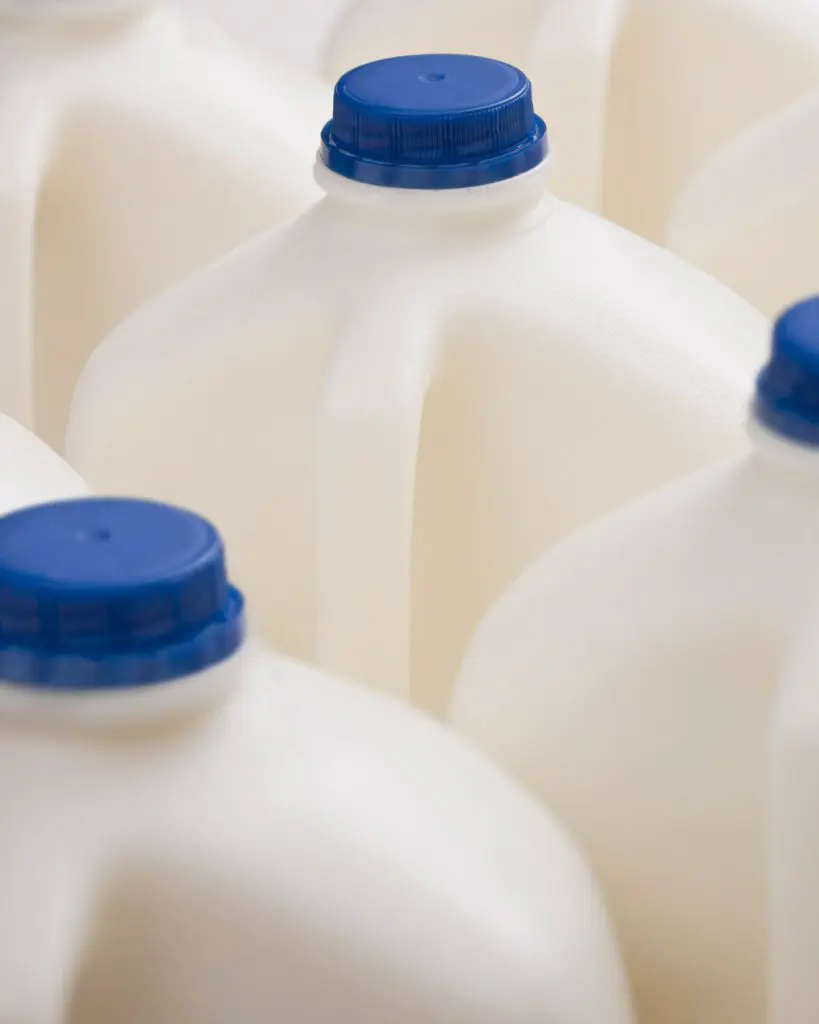
Studies show that substituting alternative materials for plastics would increase emissions greatly in many numerous applications. Recent analysis reinforces this point: increased plastics adoption can support near-term decarbonization.(McKinsey & Company, 2022)
The difference is dramatic. For example, if all plastic bottles used globally were made from glass, the additional emissions would be equivalent to powering 22 large coal-fired power plants—or the electricity consumed by a third of the UK. (Imperial College London, 2020)
Learn more about Production and Climate.
Restrictions Can Increase Costs for Governments and Consumers
Restrictions Often Fail to Reduce Litter
Evidence shows restrictions may change the type of litter, not reduce the amount:
- Honolulu’s City Auditor concluded that polystyrene bans do not reduce litter.
- San Francisco found that regulated alternatives became more frequently littered.
- The California State Water Resources Control Board reported that bans would not reduce waste generation.
Replacing one type of litter with another is not an effective strategy.
Better Policy Alternatives
America’s Plastic Makers advocate for policies that build a circular economy for plastics—keeping plastic packaging in use and out of the environment through modern recycling systems and market-driven innovation.
These solutions treat plastic as a valuable resource and strengthen U.S. manufacturing and recycling capacity.
Actions for Sustainable Change
Specifically, America’s Plastic Makers propose that policymakers enact five key actions to support a circular economy:
- Create a national recycled plastic standard requiring all plastic packaging to include at least 30% recycled plastic by 2030.
- Scale advanced recycling technologies while continuing to expand mechanical recycling.
- Develop a national recycling framework by convening the plastics value chain, EPA, and municipalities.
- Engage the National Academy of Sciences to compare environmental and climate impacts of raw materials.
- Establish an American-designed producer responsibility system to increase recycling access, collection, and outreach for all materials—including plastic.
Conclusion
Replacing plastic packaging with alternatives in numerous packaging applications often increases environmental impacts—not reduces them. Public policy should focus on expanding recycling systems, scaling innovation, and supporting a circular economy for plastics.