Many important matters in Washington take quite a while to gain a full head of steam. Fortunately, one matter that’s important to expanding plastics recycling and creating American jobs is now moving forward.
Quick background… New innovations in plastics recycling technologies have created a whole lot of optimism among plastic makers, entrepreneurs, sustainability advocates, communities, public officials and others. One of those innovations is the use of a chemical process called pyrolysis.
DEFINITION
Pyrolysis
is the application of heat to a material in the absence of oxygen, which prevents the material from burning. The process converts one material into a different, typically more valuable material.
Pyrolysis has been used in multiple industries for years (thousands of years for some industries): roasted coffee, biofuels, charcoal, chemicals, coke, paper, metals, textiles and so on. Pyrolysis was even used in ancient Egypt to create embalming fluid from cedar wood. Go figure.
So, pyrolysis isn’t new. But applying this technology to plastics recycling is rather new.
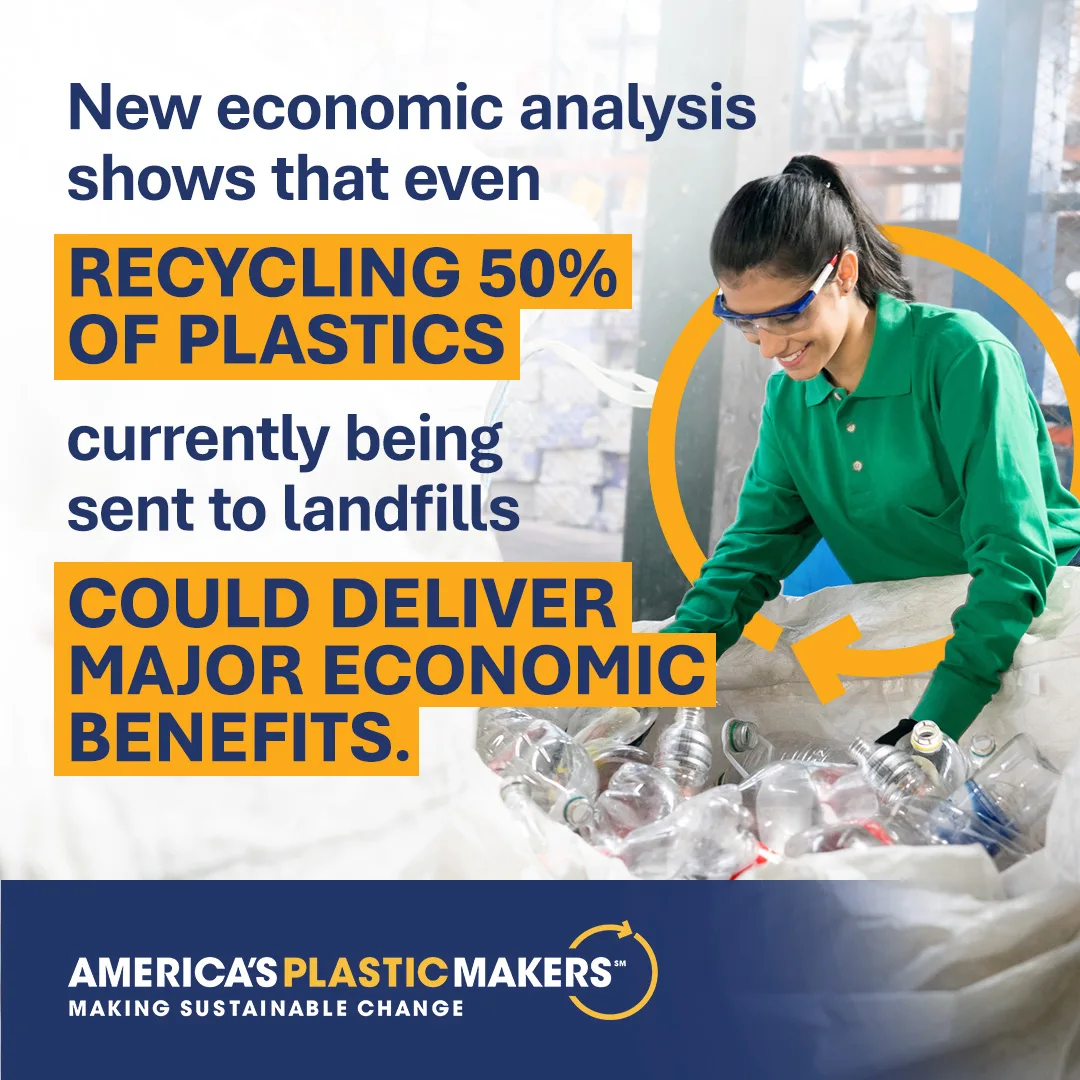
Increasing the use of pyrolysis to recycle plastics could open up a huge opportunity to significantly increase the amount and types of plastics that can be recycled, which could result in substantial American economic and jobs benefits. (See our report on recycling opportunities here.)
NOTE: Pyrolysis and similar chemistries, when used to recycle plastics, are commonly referred to as advanced or chemical recycling.
Unfortunately, EPA’s regulations have been unclear, raising questions about whether pyrolysis units should be treated like incineration. This lack of clarity has been a huge stumbling block for innovation. As I’ve written previously, there are few more surefire paths to stifle innovation than regulatory ambiguity.
Fortunately, some things actually do move forward in Washington. EPA Administrator Lee Zeldin recently created an opportunity to provide some clarity. EPA has opened a public comment period on whether to revise its regulations to clarify that pyrolysis used for plastics recycling should not be treated like incineration units.
As a matter of science, we already know that using pyrolysis in plastics recycling is not a form of incineration. Incineration requires oxygen, and pyrolysis means “to heat in the absence of air,” meaning no oxygen.
I see EPA’s announcement as an exciting new step for sustainability and jobs. (Only in Washington can someone get excited about a “comment period.”) So, I applauded the Administrator’s action and said:
“Today’s solicitation of comment helps address the current state of regulatory uncertainty that has been a headwind to scaling advanced recycling technologies. Expanding and modernizing America’s recycling infrastructure can help strengthen American manufacturing, create jobs and bolster international competitiveness.”
My words in bold above are really what this issue is all about: unleashing the investment and innovation in plastics recycling that will strengthen American manufacturing and grow jobs.
This comment period offers an opportunity for recyclers to explain what they’ve learned over time about using pyrolysis to recycle plastics. Brand companies can use this period to explain how pyrolysis is essential to supply the materials they need to meet recycled content goals and laws. And EPA can garner the information it needs to clarify its regulation of advanced recycling technologies such as pyrolysis… technologies that can spur recycling innovation.
This comment period will last for 45 days. I expect that science will prevail and that clear regulations will remove a major stumbling block and allow advanced recycling of plastics to gain a full head of steam.
Fortunately, once that stumbling block is removed, plastic makers and recyclers can move a whole lot faster than Washington.