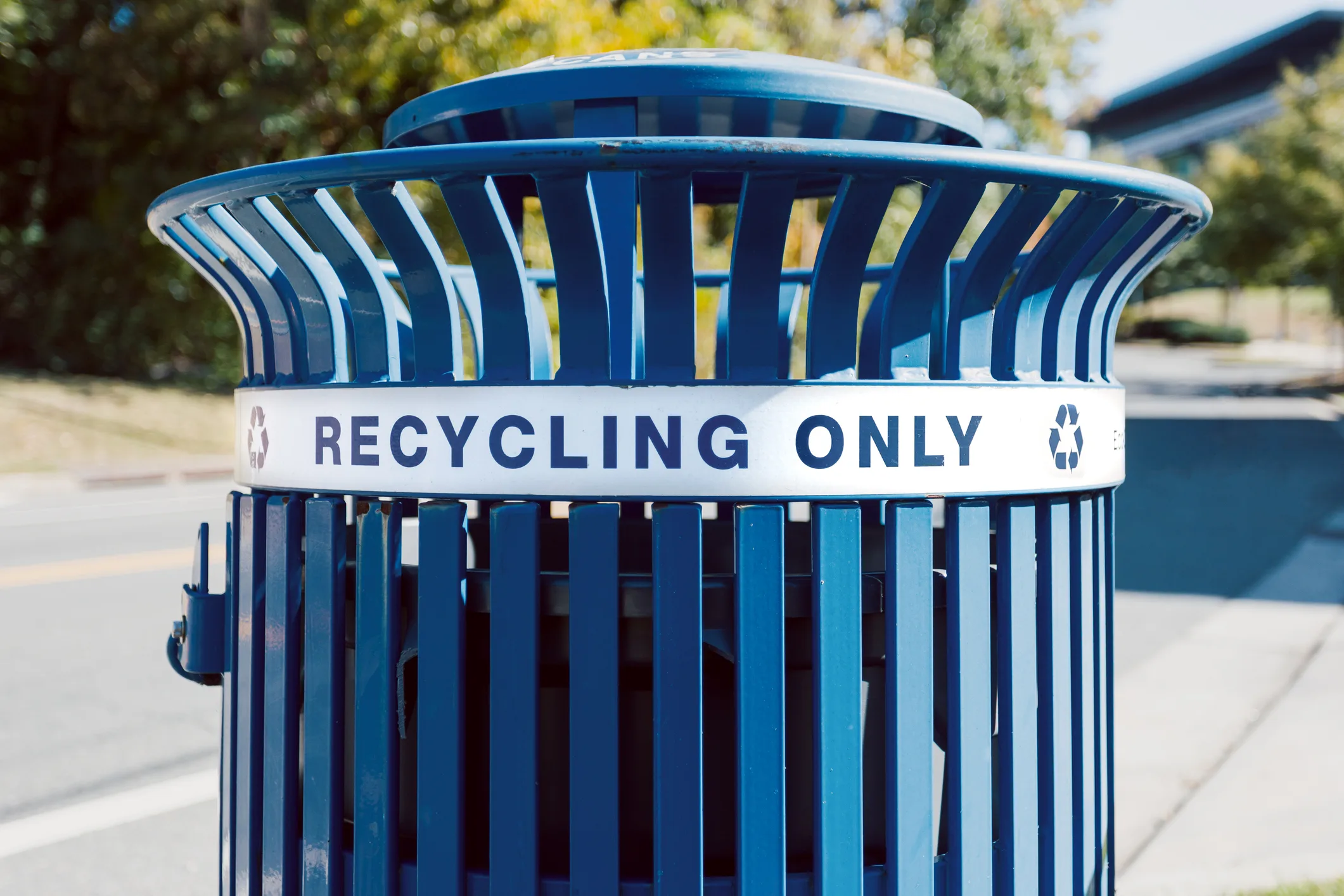
One of the most common myths about recycling is that plastics placed in recycling bins are simply sent to landfills. While America’s plastics recycling system faces challenges, millions of pounds of plastic are collected, sorted, processed, and transformed into new products every year. So why do so many people believe plastics aren’t recycled?
Scene: My kid’s lacrosse game, a backyard BBQ, a neighborhood dinner party, etc. I meet people, we exchange pleasantries, eventually they ask, “So, what do you do for a living?”
My typical response is something like: “I work for the plastics industry, mostly trying to increase plastics recycling.” Their typical response: “I read that plastics don’t really get recycled.”
Sigh.
There are lot of reasons America’s plastics recycling rate is low (and we’re working on a number of solutions). But there’s one reason that particularly gets me going: people hearing that the plastics they put in the recycling bin don’t get recycled. Inexplicably, this urban legend just won’t die. And some groups and news outlets apparently revel in it.
A recent example is a media stunt by Beyond Plastics. Some people in the organization attached metal tracking devices to plastic cups from a major coffee chain to see if the cups would get recycled. But attaching non-recyclable electronic devices to otherwise recyclable polypropylene cups fundamentally alters how those materials move through the system. In other words, trackers contaminate the recycling stream. (ABC News pulled a similar stunt a few years back by placing trackers in the plastic bag/film recycling stream.)
Resource Recycling takes an in depth look at the problem with trackers/plastic recycling: “It’s well established within industry, if not in consumer circles, that electronic trackers are an ineffective and unsafe way to verify claims about recycling processes or material recyclability.”
Regardless of the silliness of this gimmick, news outlets reported it as news. Some added a caveat in the nth paragraph noting the fact that recyclers don’t accept contamination (trackers) in their recycling stream. But the damage is done. Those people I met at my kid’s game? Or that backyard or neighborhood party? They just read: “Plastics don’t really get recycled.”
Again, sigh.
The reality: In a well-designed recycling program, if we put the right plastics in the recycling bin, they typically will get recycled (barring some wacky circumstance).
What Plastics Can Be Recycled? Get the facts.
America’s plastics recycling chain is complex, with many players, involving major consumer companies, retailers, collectors, sorters, re-processors, plastic makers and product/packaging makers. Each link of this chain has an enormous economic / political / career / personal stake in recycling plastics. There is no compelling reason for any of these players to be OK with dumping recyclable plastics in a landfill.
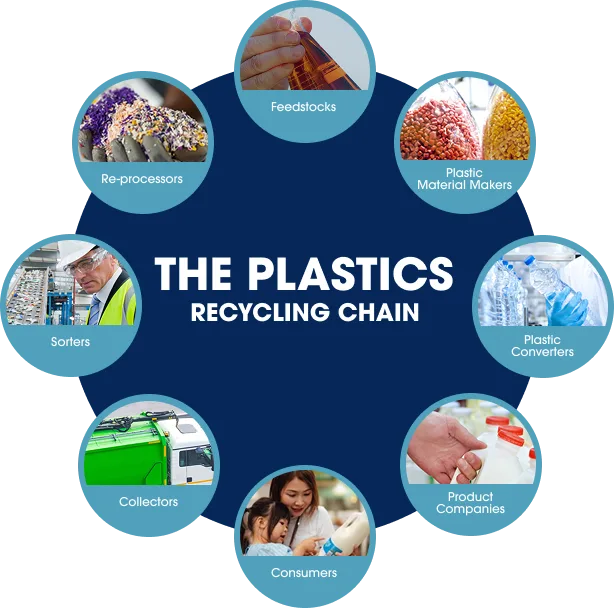
And by the way, one of the most important links in the plastics recycling chain? All of us as consumers. Because if we believe that the plastics recycling chain doesn’t really exist – then, eventually, we’ll be right. A chain is defined by its weakest link. If we decide not to put plastics in the recycling bin, the chain will weaken … and eventually break.
I’ve met with scores of people whose business is recycling plastics. Their #1 problem? Getting a robust, consistent, and uncontaminated stream of used plastics to recycle. They want more of the right plastics than they now get.
Here are some simple plastics recycling tips to help.
If we want to see plastics recycling succeed, these are the people/companies we should listen to. They need a strong plastics recycling chain to help their businesses thrive. In particular, they need all of us to put the right plastics in the right bin so they can recycle more plastics.
Our plastics recycling infrastructure needs a major upgrade. We need smart policies to unleash innovation and investment to modernize and increase plastics recycling. What we don’t need are media stunts and sensational headlines that create confusion about a recycling system that millions of Americans rely on every day.