
This New York Bill is Wrong for Waste, Wrong for Affordability
New Yorkers are getting squeezed.
And the Packaging Reduction and Recycling Infrastructure Act currently being considered in the New York State Legislature goes about it by stripping away the packaging that protects essential household products, risking higher costs. The potential results:
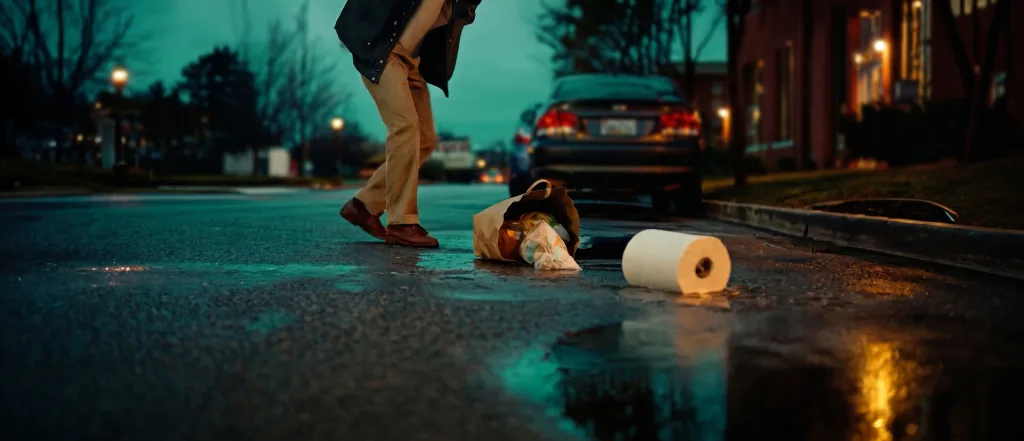
- Toilet paper that falls apart before you even get it home.
- Diapers that soak up moisture before they ever touch a child.
- Paper towels that arrive damaged, unusable, and unsanitary.
This legislation would eliminate the lightweight plastic film that protects some of the most essential household products.
Activists have made it clear that this bill is a top priority that could pass in the coming weeks.
New York State lawmakers need to hear from you NOW. Tell them to protect everyday essentials

Take Action Now
Your voice matters.
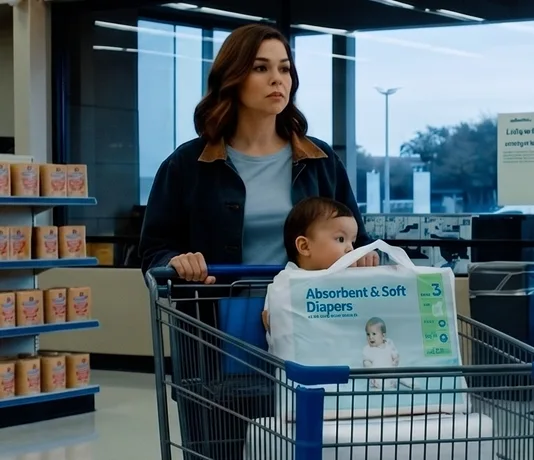
Plastic films aren’t used by accident. They exist for a reason: to keep products clean, dry, and safe from contamination from the warehouse to the store shelf to your home.
Replacing them with paper-based substitutes could mean:
- Moisture gets in from rain, spills, and everyday handling
- Products break down before use – expanding, tearing, and becoming unusable
- Hygiene is compromised
Material Switching Means Higher Costs, Lower Quality
This isn’t just about performance. It’s about costs.
Paper-based packaging substitutes could:
- Use more material and require more energy to produce
- Be less durable, leading to more product damage and waste
- Increase transport and storage costs compared to plastic films due to added weight and bulk
Those costs could show up at checkout.
At a time when New Yorkers are already facing rising costs for groceries and household essentials, this proposal would drive those prices even higher.
Packaging Reduction and Recycling Infrastructure Act is the Wrong Approach
New Yorkers deserve cleaner communities and better, modern recycling systems. But banning proven packaging doesn’t solve the problem. Instead, it could create new ones:
- More damaged goods
- More waste
- Higher costs for consumers
We can modernize recycling and reduce waste without sacrificing product safety or common sense.