

Policy Position
Production Caps: Making a Tough Situation Worse
Imposing production caps to limit the supply of plastics would be a costly and ineffective response to plastic pollution that risks undermining sustainability progress, weakening U.S. manufacturing, and increasing costs for goods across the globe. Plastics typically have lower carbon emissions compared to alternatives (e.g., paper, metal, glass); instead of limiting these important materials, policymakers should focus on solutions that support a circular economy. In a circular economy for plastics, products are designed for reuse and recycling, collected at end of life and remade into new products, instead of being disposed of or becoming pollution.
Restricting the supply of these materials globally risks massive disruptions to essential supply chains and increasing the costs of goods, disproportionately affecting those least ables to afford it.
A Step Backward for Sustainability
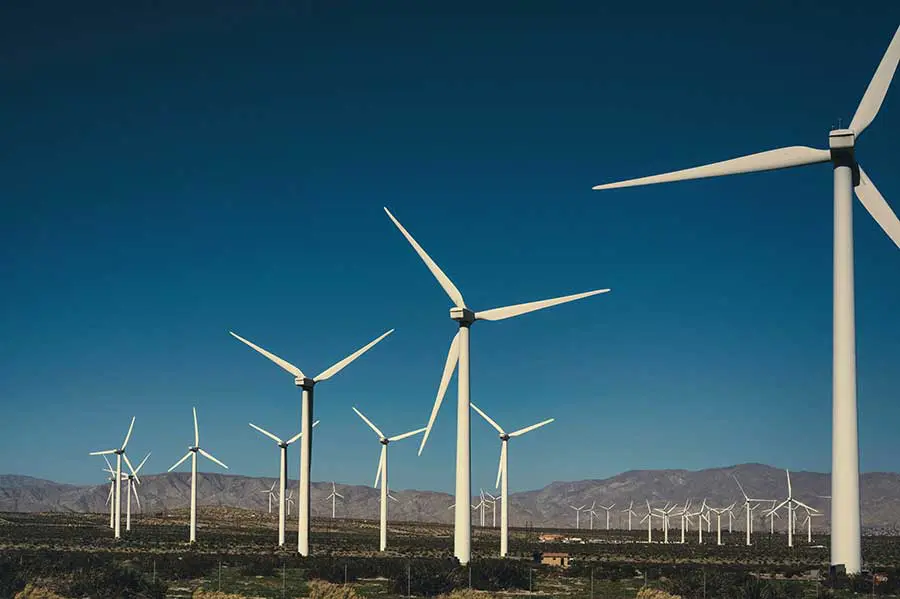
Plastic production caps would reverse many sustainability advancements by forcing substitutions away from plastic toward alternatives that in many applications increase greenhouse gas emissions and risk unintended environmental consequences. Studies show that in numerous applications, alternatives to plastics often require significantly more material (up to 4x more by weight) to perform the same function, leading to greater resource use and higher emissions.
Plastics are critical to sustainable development. Clean drinking water, renewable energy, modern medicine, energy-efficient housing and transportation, and preventing food waste depend on plastic products and packaging.
Better than plastic productions caps, is investment in collection systems and for recycling to scale up a circular economy.
Focus on the Problem
The primary driver of plastic pollution in the environment is a lack of waste collection for 2.7 billion people globally. In countries that have waste management, plastics leakage is extremely low. The US and EU combined contribute less than 0.5% of all plastic pollution in the ocean. This demonstrates the most effective way to tackle pollution is to strengthen the systems needed to collect and appropriately manage waste plastics.
Since the US has adequate waste management, public policy should focus on improving recycling access, infrastructure and innovation, not limiting access to materials that enable major manufacturing sectors, economic growth, and in many cases sustainability.
Risks to Supply Chains, Affordability and U.S. Competitiveness
Plastics are critical to nearly every sector of the economy, including healthcare, food production, water infrastructure, technology, automotive manufacturing and housing.
Artificially limiting plastic production through caps could disrupt supply chains, drive up costs for consumers, and threaten U.S. manufacturing competitiveness without improving environmental outcomes. Production caps risk shifting manufacturing overseas, increasing emissions, weakening domestic recycling investment, and exposing U.S. supply chains to greater economic and geopolitical instability.
Production caps on plastic would make a tough situation worse. Policymakers should focus on solving the real problem of waste ending up in our environment.
The Better Policy Path: A Circular Economy for Plastics
To help keep plastic out of the environment, public policy should build a circular economy that expands recycling collection and infrastructure, scales recycling innovations, and strengthens markets for recycled materials.
The U.S. Congress can play a critical role by enacting legislation using these principles that modernize recycling systems, support innovations such as advanced recycling, and attract private investment to strengthen domestic recycling capacity.

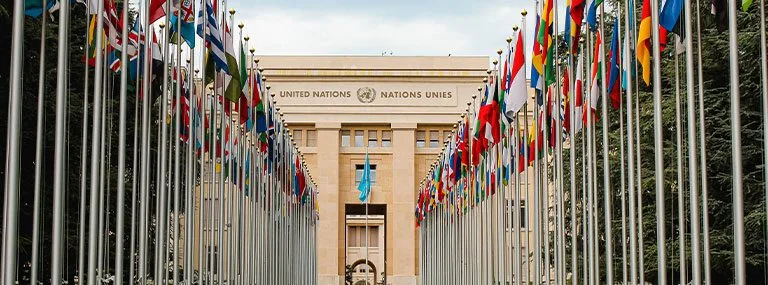
At the global level, an agreement among nations to end plastic waste could stimulate a circular economy for plastics. The Global Partners for Plastics Circularity support a global plastics treaty that preserves the societal benefits of plastics while marshalling the resources needed to help keep plastic waste out of our environment.